
AdsPower vs ClonBrowser: Which Anti-Detect Browser Wins?
Nov 18, 2026
Managing dozens of e-commerce stores, social media profiles, or ad accounts without triggering platform bans demands more than just switching IP addresses. Anti-detect browsers have become essential for marketers, arbitrage specialists, and cross-border teams who need to maintain isolated digital identities on a single machine. AdsPower, MuLogin, and Indigo each approach this challenge differently. This article puts them side by side, highlighting where MuLogin and Indigo genuinely excel and where AdsPower offers clear, measurable advantages—so you can pick the tool that aligns with your operational reality.
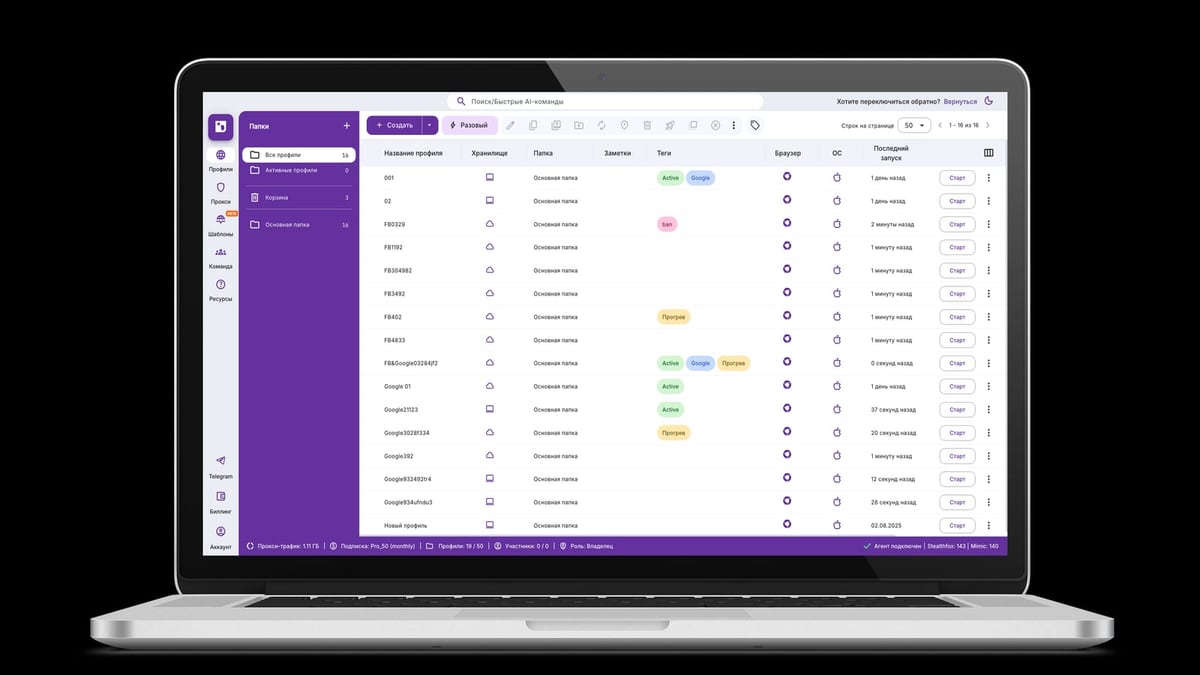
AdsPower vs MuLogin vs Indigo: Anti-Detect Browser Comparison 2026 product interface and feature overview.
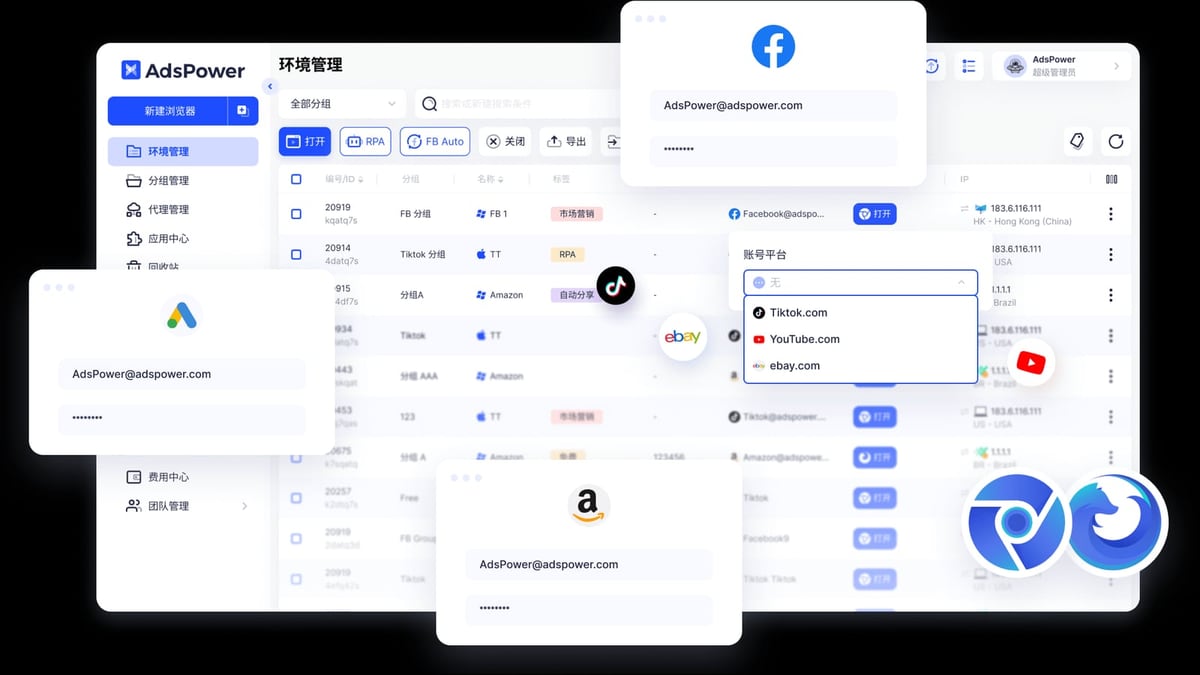
AdsPower is a full-featured anti-detect browser with dual Chromium and Firefox kernels, built for teams that need deep automation, granular permission controls, and SOC 2 Type II certified security. It serves over 9 million users with a free tier for two profiles.
MuLogin Anti-detect Browser positions itself as an affordable, user-friendly solution that still delivers robust fingerprint protection, batch profile creation, and REST API access. Its pricing model makes it particularly attractive for mid-sized account farms.
Indigo антидетект браузер (Indigo Antidetect Browser) comes from a team with seven years of fingerprint research. It offers two browser engines—Stealthfox (Firefox-based) and Mimic (Chromium-based)—and emphasizes fingerprint realism through a frequently updated fingerprint database, along with high-availability infrastructure.
AdsPower vs MuLogin vs Indigo: Anti-Detect Browser Comparison 2026 product interface and feature overview.
MuLogin doesn't try to be everything to everyone, and that focus gives it several practical strengths:
MuLogin backs its offering with detailed help documentation, a multi-language blog full of real-world use cases, and enough proxy integration flexibility to work with most major providers. For teams that prioritize low cost per profile and straightforward daily operations over advanced automation, MuLogin hits a sweet spot.
AdsPower vs MuLogin vs Indigo: Anti-Detect Browser Comparison 2026 product interface and feature overview.
Indigo's developers have spent seven years refining anti-detection technology, and the result is a browser that leans heavily on fingerprint authenticity:
Indigo's simplicity is deliberate. The interface is clean, and profile creation is straightforward. The main trade-off is that proxy assignment must be done manually per profile—a friction point if you manage hundreds of environments—but the underlying fingerprint quality and uptime reliability often outweigh that inconvenience for traffic arbitrage or high-risk account farming.
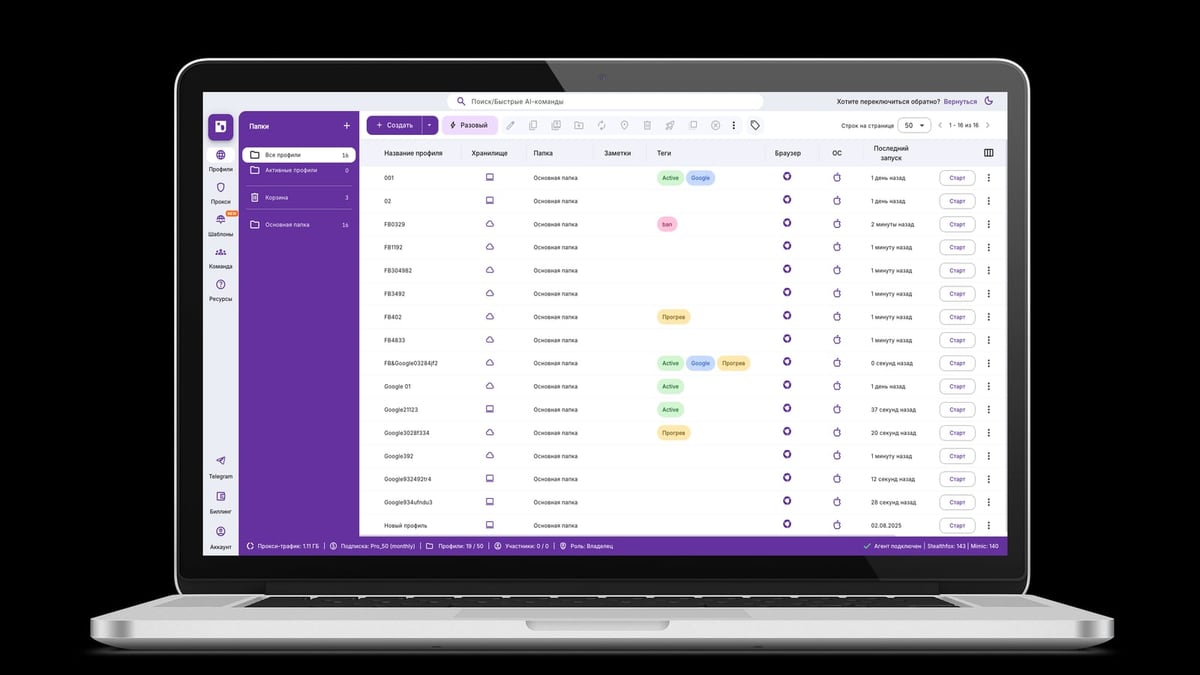
AdsPower vs MuLogin vs Indigo: Anti-Detect Browser Comparison 2026 product interface and feature overview.
AdsPower’s ecosystem is built for teams that need both scale and precision. Here’s where it delivers tangible benefits over the substitutes:
On criteria where Indigo or MuLogin have objective edges—like Indigo’s uptime guarantee or MuLogin’s per-profile cost at scale—we’re not claiming AdsPower is superior. But for teams that need visual automation, synchronized operations, and certified security, AdsPower clearly stands out.
| Feature | AdsPower | MuLogin | Indigo |
|---|---|---|---|
| Browser engines | SunBrowser (Chromium) + FlowerBrowser (Firefox) | Chromium-based | Stealthfox (Firefox) + Mimic (Chromium) |
| Fingerprint control | 20+ customizable parameters | Isolated canvas/WebGL/audio fingerprints | Large dynamic fingerprint database, realism-focused |
| Automation | Local API (Selenium, Puppeteer, Playwright, MCP) + Visual RPA | REST API (Selenium, Puppeteer) | API-based automation |
| Team management | Role-based permissions, environment sharing | Sub-account management | Project-level access control |
| Free tier | 2 profiles permanently | None | Free trial (limited) |
| Starting price | ~$9/month (depending on profiles/team) | $59/month for 100 profiles | $111/month (base) |
| Proxy support | HTTP, HTTPS, SOCKS5, SSH; bulk import | Flexible provider integration | Manual proxy assignment per profile |
| Security certifications | SOC 2 Type II, ISO 27001, ISO 27701 | Standard protection | Encrypted cloud or local storage |
| Uptime guarantee | Not publicly advertised | Not publicly advertised | 99.98% |
Prices and features as of early 2026; check official websites for current details.
Go with MuLogin if: You need to manage up to a few hundred accounts without breaking the bank, you value straightforward batch creation, and your automation needs can be met with a scripting API rather than a visual builder. It’s a smart choice for growing e-commerce sellers and affiliate marketers who want predictable monthly costs.
Go with Indigo if: Fingerprint authenticity is your top priority—perhaps because you operate on platforms with aggressive anti-fraud systems. The dual-engine setup and frequently updated fingerprint base reduce the risk of mismatched hardware profiles, and the uptime guarantee gives you confidence that your browser won’t fail during critical operations.
Go with AdsPower if: Your team needs to orchestrate thousands of profiles, automate repetitive workflows visually, or require certified compliance for client audits. The built-in RPA, window sync, and tiered permissions make it the workhorse for agencies, advertising arbitrage teams, and enterprise cross-border operations.
For a broader perspective, this overview of the best antidetect browsers includes additional options, and our detailed AdsPower vs Multilogin vs Genlogin comparison explores how another popular alternative stacks up. If you’re integrating proxies with AdsPower, our step-by-step Proxyrack setup guide will save you troubleshooting time.
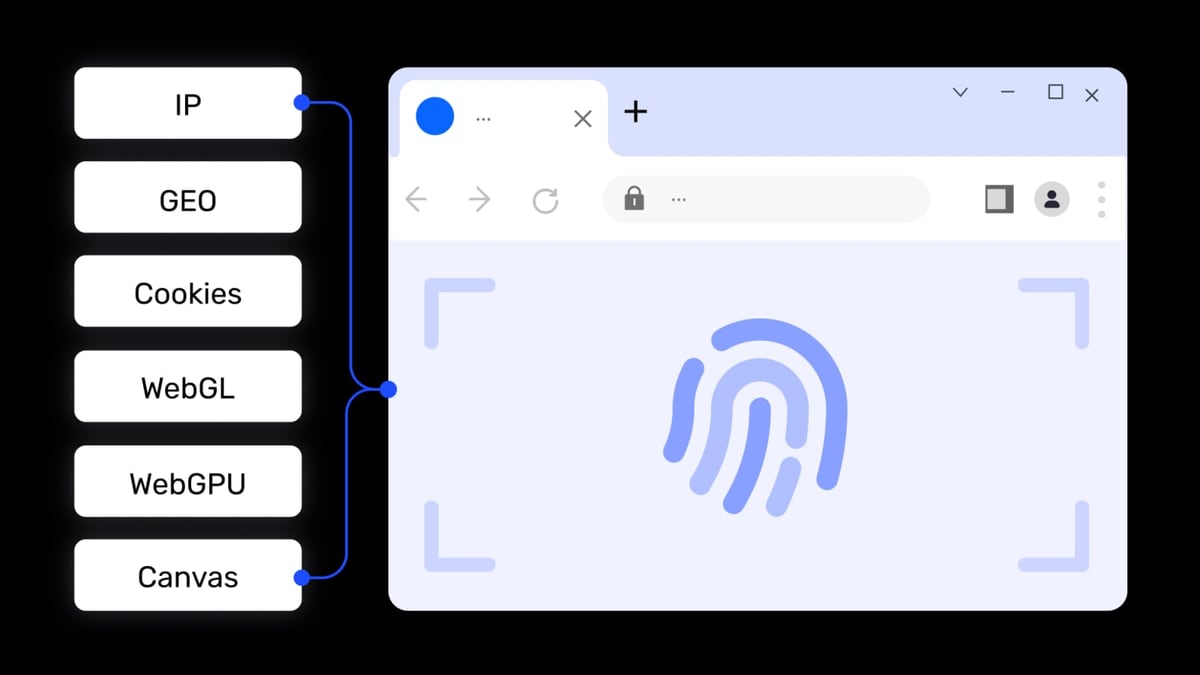
They create isolated browser environments with unique digital fingerprints—canvas hash, WebGL rendering, audio signal, fonts, and dozens of other parameters. Combined with a dedicated proxy per profile, this makes each account appear to websites as if it’s running on a different physical device with a distinct IP address.
MuLogin does not offer a permanent free tier; you’ll need to subscribe after any trial period. Indigo provides a time-limited free trial so you can evaluate the fingerprint quality. AdsPower’s free tier gives you two profiles permanently, which is useful for small-scale testing.
If you only manage a few dozen profiles, manual proxy assignment is manageable. For hundreds of accounts, the lack of bulk import adds friction. Many arbitrage teams accept this trade-off because Indigo’s fingerprint realism reduces the risk of detection on strict platforms.
Different websites fingerprint more aggressively on certain browser engines. Having both Chromium and Firefox options lets you match the engine to the platform’s typical detection patterns. For example, some platforms scrutinize Chromium-based visitors more because automated tools overwhelmingly use it. A Firefox-based profile can sometimes attract less scrutiny.
There’s no universal “best” anti-detect browser—only the best fit for your specific risk tolerance, scale, and workflow. MuLogin wins on price and simplicity, Indigo shines on fingerprint realism and uptime, and AdsPower delivers the most complete automation and team-management suite for large operations. At AdsPower, we’ve tested these tools across real multi-account campaigns, and the right choice always comes down to how many accounts you’re running, how strict your target platforms are, and how much time you’re willing to spend on manual configuration. Start with a trial that matches your riskiest use case, and let performance be your guide.


