
AdsPower vs ClonBrowser: Which Anti-Detect Browser Wins?
Nov 18, 2026
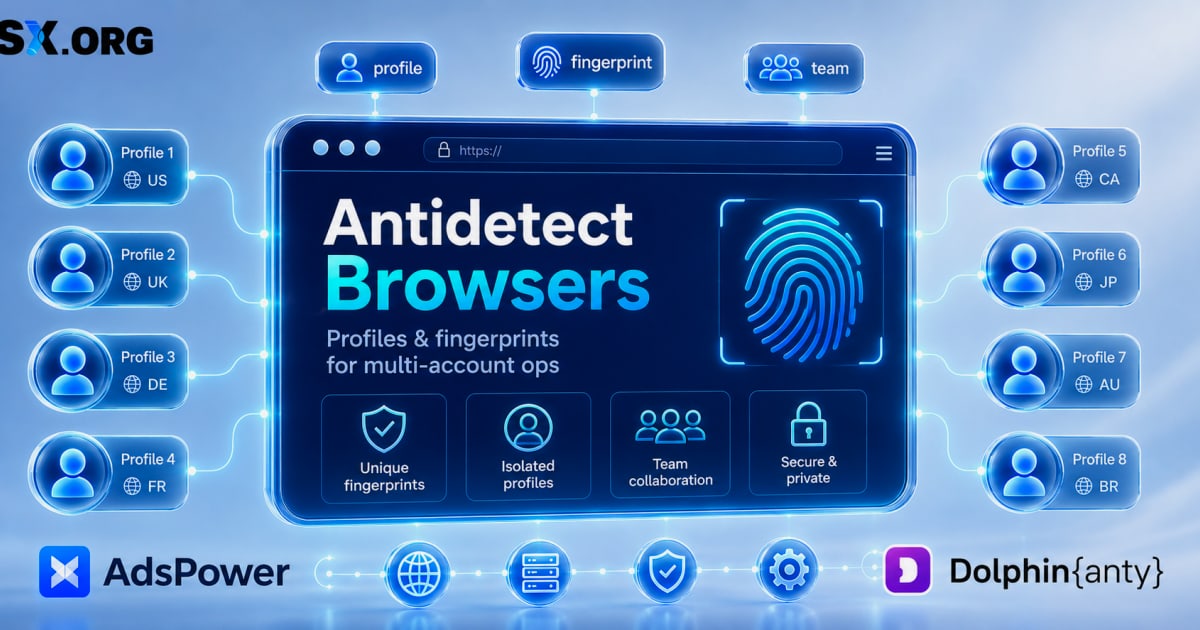
Choosing between AdsPower and Dolphin Anty is one of the most common decisions facing affiliate marketers, media buyers, e-commerce sellers, and agencies that manage multiple accounts. Both are Chromium-based anti-detect browsers that isolate browser profiles with unique fingerprints, cookies, and proxies. But they differ meaningfully in automation depth, team management, pricing, and the workflows they serve best.
This comparison breaks down the two tools across the areas that matter most in real-world use: fingerprint quality, profile management, automation, security, support, and cost. The goal is to help you pick the browser that fits how you actually work, not just the one with the longest feature list.
AdsPower vs Dolphin Anty: Which Wins in 2026? - What Is Dolphin Anty?.
AdsPower is the stronger choice for teams and operators who need deep automation, batch operations, and enterprise-grade security. Its RPA tools, Local API, SOC 2 Type II and ISO certifications, and support for Windows, Mac, and Linux make it well suited for high-volume e-commerce, social media operations, and multi-account workflows at scale. It is trusted by over 9 million users.
Dolphin Anty is a capable alternative with a cleaner profile-management interface and a generous free tier of 5 profiles. However, its automation is simpler, its support is less formalized for enterprise compliance, and its paid plans start at a higher cost per profile for comparable volume. For teams that need certified security, advanced automation, and predictable per-profile pricing, AdsPower is the better fit.
AdsPower vs Dolphin Anty: Which Wins in 2026? - What Is AdsPower?.
AdsPower is a leading anti-detect browser designed to help businesses and individuals manage multiple online accounts securely from a single device. It creates isolated browser profiles with unique digital fingerprints, including parameters like Canvas, WebGL, user agent, and more, to prevent account bans and detection by platforms such as Facebook, Amazon, Google, TikTok, and YouTube.
The product is trusted by over 9 million users and holds SOC 2 Type II, ISO 27001, and ISO 27701 certifications, ensuring enterprise-grade security and compliance. AdsPower serves use cases including e-commerce, affiliate marketing, social media operations, and multi-account workflows.
Key capabilities include:
AdsPower positions itself as the #1 anti-detect browser, offering a free trial and tiered pricing plans to accommodate individual users and high-volume teams.
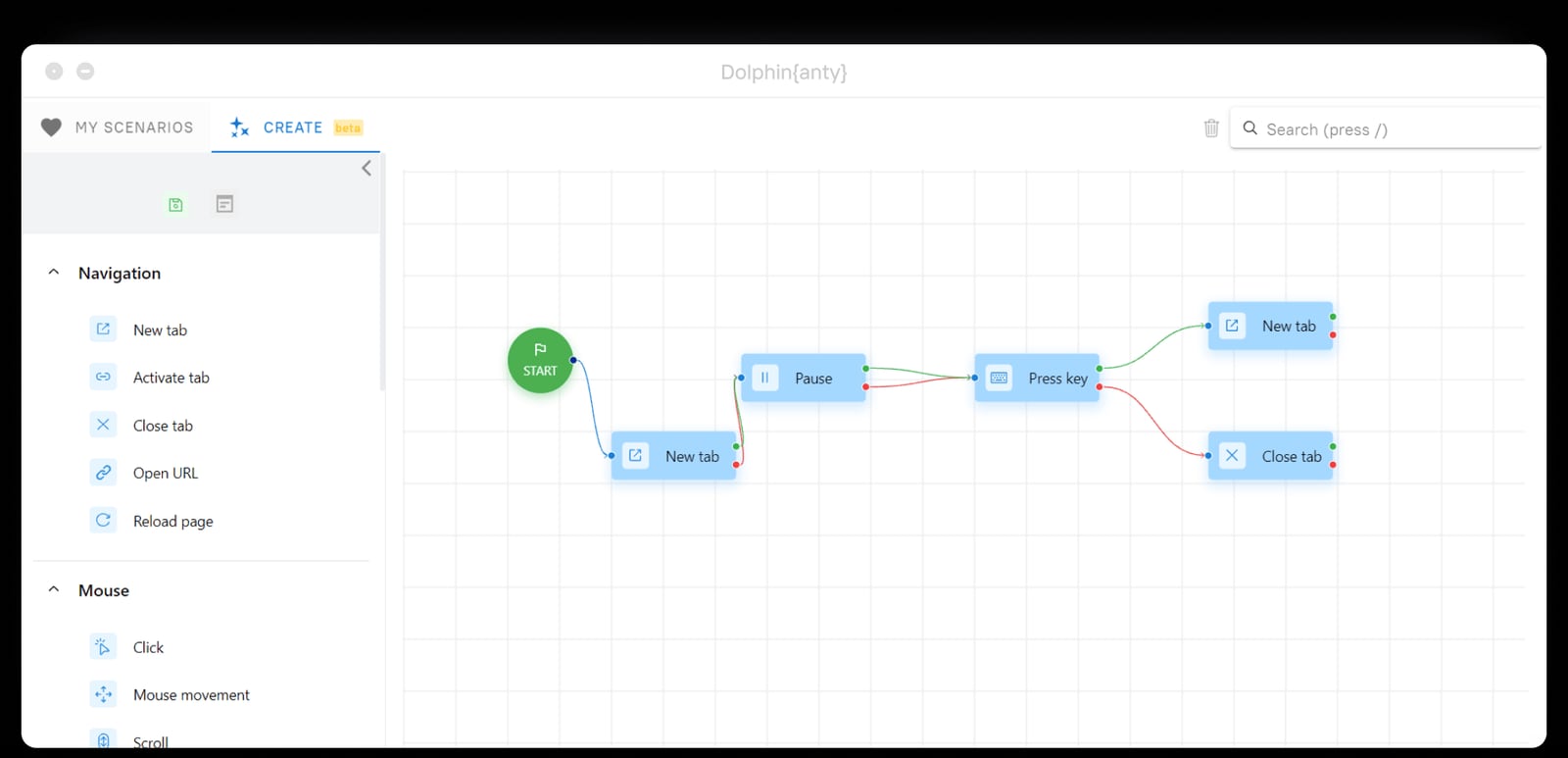
Dolphin Anty product interface.
Dolphin Anty is an anti-detect browser designed for managing multiple accounts across advertising platforms, social networks, e-commerce marketplaces, and other online services. It serves affiliate marketers, media buyers, digital agencies, e-commerce sellers, bonus hunters, and modeling professionals.
Core use cases include creating and managing hundreds of ad accounts, farming and warming accounts, scaling e-commerce operations on platforms like Amazon, eBay, and Shopify, and running web scraping campaigns.
Dolphin Anty's main features include:
The browser is trusted by over 860,000 users and 2,200 teams daily. The company is based in Cyprus and emphasizes privacy, with a clear privacy policy and affiliate program.
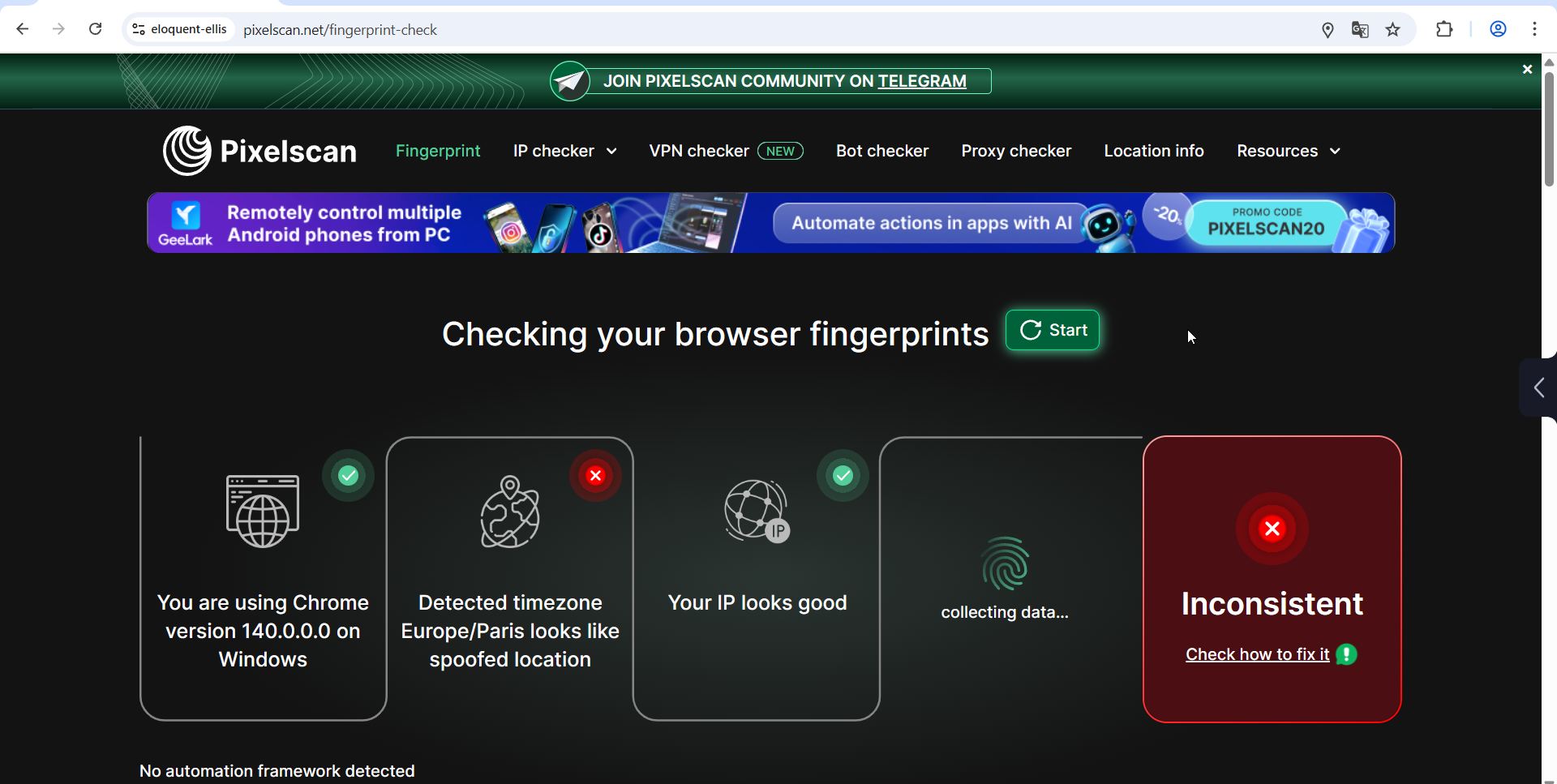
AdsPower vs Dolphin Anty: Which Wins in 2026? - Feature-by-Feature Comparison.
Both browsers create isolated profiles with unique fingerprints, but the frequency of core updates matters. A browser that runs an outdated Chromium engine can look suspicious to anti-fraud systems, which may lead to more frequent account checks or bans.
AdsPower updates its browser to the latest Chrome engine on a regular schedule, which helps profiles pass fingerprint checks and behave like genuine browser environments. Dolphin Anty also updates its Chromium core, but the update cadence has historically lagged behind AdsPower in some periods. For operators managing valuable ad accounts or aged cookies, a consistently current browser core is a meaningful advantage.
Both tools use list-based profile management with columns, tags, and notes. The difference is in the details.
AdsPower strengths:
Dolphin Anty strengths:
For small teams that manage a few dozen profiles, Dolphin Anty's visual organization can feel more intuitive. For teams managing hundreds or thousands of profiles, AdsPower's advanced filtering and batch operations scale more effectively.
This is where the two browsers diverge most sharply.
AdsPower offers two automation paths: RPA for visual, no-code automation of repetitive browser tasks, and a Local API that integrates with Selenium and Puppeteer for custom scripting. This dual approach makes AdsPower suitable for both non-technical operators and developers who need programmatic control.
Dolphin Anty offers a profile synchronizer and API access with Selenium/CDP support, but its automation ecosystem is less mature. The synchronizer is useful for mirroring actions across profiles, but it does not match the depth of AdsPower's RPA workflows or the flexibility of its Local API.
For teams that rely on automation to scale account farming, ad management, or e-commerce operations, AdsPower is the clear winner.
Both browsers support team access, profile permissions, and cloud sync. AdsPower adds enterprise-grade compliance certifications — SOC 2 Type II, ISO 27001, and ISO 27701 — which matter for agencies and businesses that handle sensitive client data or need to meet regulatory requirements.
Dolphin Anty offers tags, statuses, notes, and mass actions for team workflows, but it does not carry the same formal security certifications. For solo operators, this may not matter. For agencies and enterprises, AdsPower's compliance posture is a significant differentiator.
Security incidents can be costly when you manage valuable accounts and cookies. AdsPower's SOC 2 Type II, ISO 27001, and ISO 27701 certifications provide third-party verification of its security controls and privacy practices.
Dolphin Anty emphasizes privacy and has a clear privacy policy, but it does not hold the same formal certifications. Some community discussions have also referenced past security concerns with anti-detect browsers generally, which makes certified security a meaningful factor for risk-averse teams.
AdsPower is primarily oriented toward the Chinese market, which means support in other languages is available but response times can vary. Dolphin Anty is known for responsive support, with typical reply times of 5–10 minutes according to its own documentation.
For users who need fast, conversational support, Dolphin Anty has an edge. For users who need documented compliance and enterprise onboarding, AdsPower's formal certifications and larger user base provide a different kind of assurance.
Pricing is one of the most important factors for multi-account operators, especially those scaling from dozens to hundreds of profiles.
| Plan | AdsPower | Dolphin Anty |
|---|---|---|
| Free | Up to 5 profiles | Up to 5 profiles |
| Entry paid | From $0 with tiered upgrades | From $20/month for up to 60 profiles |
| 100 profiles | Historically lower per-profile cost | Historically higher per-profile cost |
| Enterprise | Custom pricing for high-volume teams | Unlimited profiles on enterprise plan |
A 2023 side-by-side comparison found that a Dolphin subscription for 100 accounts cost $89 per month, compared to AdsPower's price of $39 for 150 accounts. Pricing has evolved since then, but the pattern holds: AdsPower generally offers more profiles per dollar at comparable tiers.
For budget-conscious teams, AdsPower's per-profile economics are hard to beat. For users who only need 5 profiles, both browsers offer a free tier.
Choose AdsPower if you:
AdsPower is especially strong for Facebook multi-account management. If that's your primary use case, see this step-by-step guide on using AdsPower with Facebook for a practical workflow.
Choose Dolphin Anty if you:
Dolphin Anty's simpler interface and generous free tier make it a reasonable entry point for beginners. However, as your operation scales, the lack of certified security and less mature automation may become limiting.
Imagine you run a small agency managing 50 Facebook ad accounts for clients. You need isolated profiles, stable proxies, and the ability to share access with two team members.
With AdsPower: You create 50 profiles in batch, assign proxies, and set up RPA workflows to automate routine tasks like logging in and checking ad status. Team members access profiles with granular permissions. If a client requires SOC 2 compliance, you're already covered. Cost: a tiered plan that scales with your profile count.
With Dolphin Anty: You create 50 profiles, use tags and statuses to organize them by client, and rely on the synchronizer for basic cross-profile actions. Support is responsive if issues arise. Cost: $20/month for up to 60 profiles, but without formal compliance certifications.
Both workflows work. The difference is that AdsPower scales further before you hit a ceiling, while Dolphin Anty is simpler to learn on day one.
For most high-volume teams, yes. AdsPower offers deeper automation, more profiles per dollar, and enterprise-grade security certifications. Dolphin Anty is a solid alternative for small teams that value visual organization and fast support.
Yes. AdsPower offers a free trial with up to 5 profiles, so you can test the browser before committing to a paid plan.
Yes. Dolphin Anty offers a free tier with 5 profiles, along with paid plans starting at $20/month for up to 60 profiles.
Both browsers can work for Facebook ads, but AdsPower's more frequent Chrome engine updates and advanced automation make it a stronger choice for managing multiple ad accounts at scale. For a detailed Facebook workflow, see this guide to using AdsPower with Facebook.
AdsPower generally offers more profiles per dollar. Historical comparisons show AdsPower costing significantly less than Dolphin Anty for comparable profile counts, though exact pricing varies by plan and region.
Yes, but it's usually unnecessary. Most teams standardize on one browser to simplify training, billing, and profile management. If you're evaluating both, start with the free tiers and test your core workflow before committing.
AdsPower and Dolphin Anty both solve the same fundamental problem: managing multiple online accounts without triggering anti-fraud detection. The difference is in how far each tool takes you.
Dolphin Anty is a well-designed browser with a clean interface, responsive support, and a generous free tier. It's a reasonable choice for solo affiliates and small teams that manage a modest number of profiles.
AdsPower is the more complete platform. Its batch operations, RPA and Local API automation, SOC 2 Type II and ISO certifications, and competitive per-profile pricing make it the better choice for teams that need to scale. When accounts, cookies, and ad spend are on the line, the browser with deeper automation, stronger security, and more predictable economics is the safer bet.
For a broader look at how AdsPower compares to other anti-detect browsers, see this comparison of AdsPower, Linken Sphere, and Incogniton or this AdsPower vs Octo Browser test.


