
AdsPower vs ClonBrowser: Which Anti-Detect Browser Wins?
Nov 18, 2026
Managing multiple online accounts without getting banned is a constant challenge for e-commerce sellers, affiliate marketers, and social media managers. Two popular anti-detect browsers—AdsPower and Genlogin—promise to solve this problem by creating isolated browser environments with unique digital fingerprints. But which one truly delivers reliable protection and efficiency at scale?
In this comparison, we’ll examine the strengths and weaknesses of each tool, focusing on fingerprint isolation, automation, team collaboration, pricing, and real-world use cases. By the end, you’ll know which platform aligns with your workflow and budget.
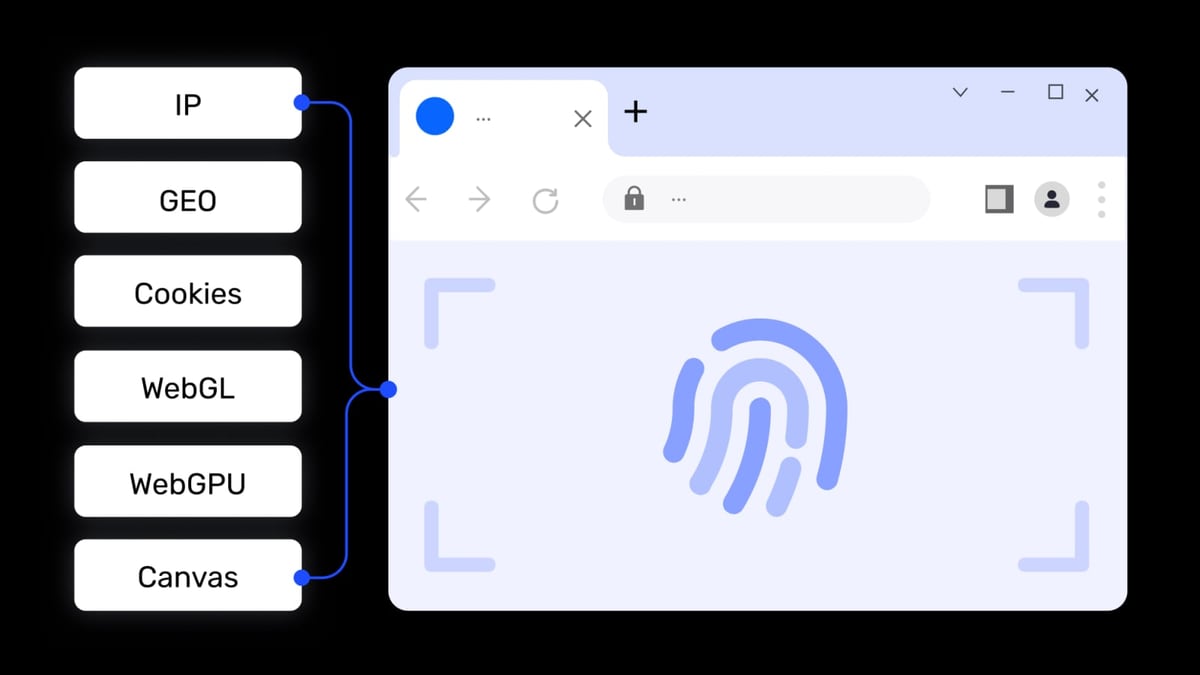
AdsPower vs Genlogin: Which Anti-Detect Browser Wins in 2026? product interface and feature overview.
Platforms like Amazon, Facebook, Google, and TikTok continuously upgrade their detection systems to flag accounts that share the same device fingerprint. An anti-detect browser masks your real browser fingerprint—Canvas, WebGL, Audio, WebRTC, and more—so each account appears to come from a unique device. This prevents association bans and allows you to run multiple stores, ad campaigns, or social profiles from one computer.
Both AdsPower and Genlogin offer this core functionality, but they differ significantly in depth of features, scalability, and ease of use.
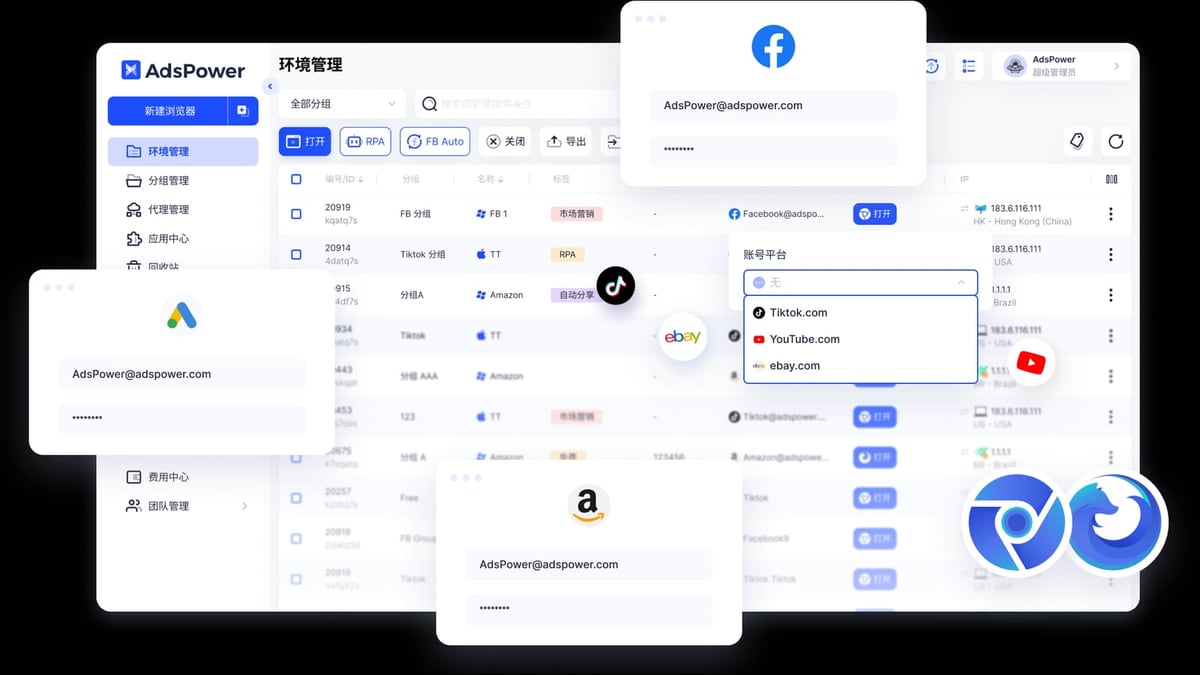
AdsPower vs Genlogin: Which Anti-Detect Browser Wins in 2026? product interface and feature overview.
AdsPower is a professional anti-detect browser trusted by over 9 million users worldwide. It supports Chrome (SunBrowser) and Firefox (FlowerBrowser) dual kernels, allowing you to customize more than 20 fingerprint parameters. Beyond fingerprint masking, AdsPower includes built-in RPA automation with pre-built templates and a drag-and-drop workflow builder, a local API for enterprise automation (compatible with Selenium, Puppeteer, Playwright, and MCP protocol), and team collaboration with role-based permissions. It holds SOC 2 Type II, ISO 27001, and ISO 27701 certifications, and offers a free tier with 2 browser environments.
Key Strengths:
Key Weaknesses:
AdsPower vs Genlogin: Which Anti-Detect Browser Wins in 2026? product interface and feature overview.
Genlogin is an anti-detect browser and automation platform designed for freelancers and small teams. It offers fingerprint masking, automation tasking, synchronizer actions, a mini-app store, and API access. Genlogin claims over 200,000 users and provides a free plan with 5 profiles. Paid plans start at around $20/month.
Key Strengths:
Key Weaknesses:
AdsPower offers granular control over 20+ fingerprint parameters, including Canvas, WebGL, Audio, WebRTC, and more. You can also choose between Chrome and Firefox kernels, and even emulate different operating systems. This level of customization makes it harder for platforms to detect account associations.
Genlogin provides standard fingerprint masking but with fewer adjustable parameters. For small-scale operations with 2–5 accounts, this may be sufficient. However, when running dozens of profiles on strict platforms, the limited customization can increase detection risk.
Winner: AdsPower
AdsPower shines with its built-in RPA automation. You can create drag-and-drop workflows using pre-built templates (e.g., login, data collection, form filling) or use the local API to integrate with Selenium, Puppeteer, and Playwright. The window synchronization feature lets you perform the same action across multiple profiles simultaneously—ideal for bulk account management.
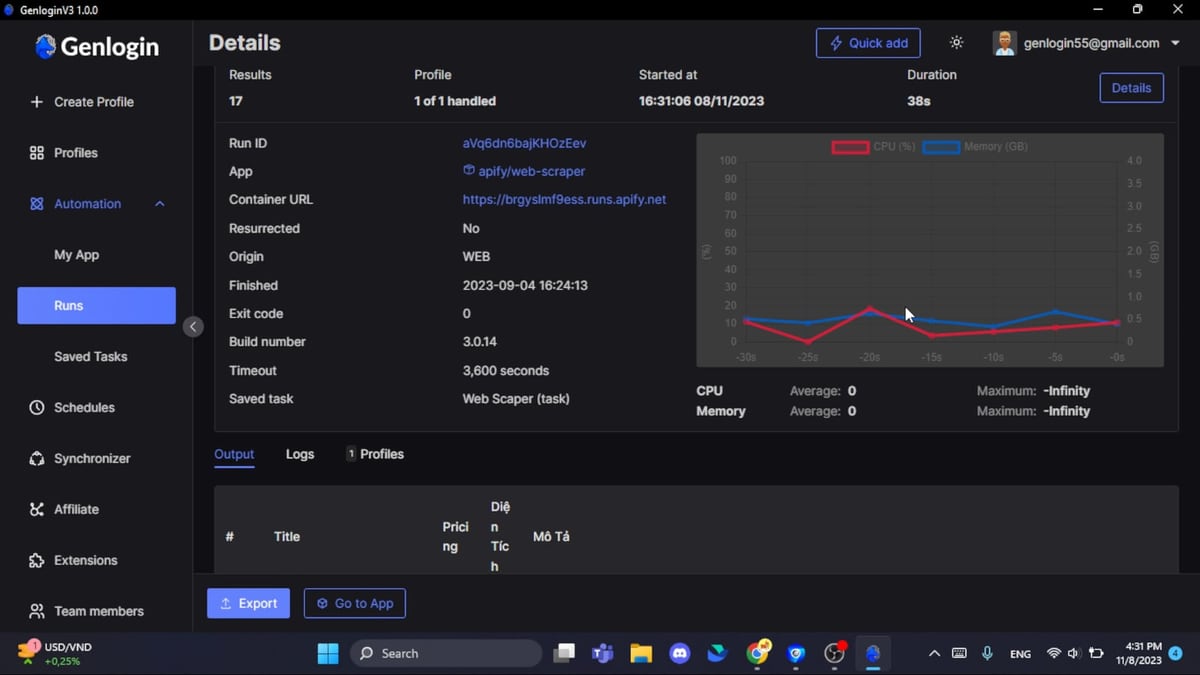
Genlogin offers automation tasking and a mini-app store, but its capabilities are more basic. You can schedule simple actions, but complex workflows require external scripting and lack the depth of AdsPower’s RPA.
Winner: AdsPower
AdsPower includes robust team features: role-based permissions, environment sharing, and operation logs. You can invite team members, assign different access levels, and track changes—essential for agencies and growing businesses.
Genlogin has limited team functionality. Sharing profiles is possible but lacks granular permission controls, making it less suitable for larger teams.
Winner: AdsPower
AdsPower offers a free forever plan with 2 browser environments. Paid plans start at $9/month (Professional) and $36/month (Business) when billed annually. However, you must add proxy costs separately.
Genlogin provides a free plan with 5 profiles. Paid plans start around $20/month (billed monthly) with a 50% discount for annual billing. Again, proxies are an additional expense.
While Genlogin’s free tier offers more profiles, AdsPower’s paid plans are more affordable at scale—especially when you consider the richer feature set.
Winner: AdsPower (for value at scale)
AdsPower holds SOC 2 Type II, ISO 27001, and ISO 27701 certifications. It uses AES-256 encryption, supports 2FA, and allows local storage of sensitive data (passwords, cookies) so they never leave your device unless you choose to sync.
Genlogin provides standard encryption and 2FA but lacks formal compliance certifications. For businesses handling sensitive client data, this may be a concern.
Winner: AdsPower
Genlogin wins on simplicity. Its clean interface is ideal for beginners who want to set up a few profiles quickly.
AdsPower has a steeper learning curve due to its extensive features. However, once mastered, it offers far more control and efficiency.
Winner: Genlogin (for beginners)
AdsPower vs Genlogin: Which Anti-Detect Browser Wins in 2026? product interface and feature overview.
AdsPower is the clear winner for serious multi-account management at scale. Its superior fingerprint customization, built-in RPA automation, team collaboration tools, and enterprise security make it a one-stop solution for e-commerce sellers, affiliate marketers, and digital advertisers. While it has a steeper learning curve and requires separate proxy investment, the efficiency gains and reduced ban risk justify the effort.
Genlogin is a decent entry-level option for those with minimal needs, but its limitations in fingerprinting, automation, and team features become apparent as you grow. If you plan to scale your operations, AdsPower is the more future-proof choice.
For a deeper dive into other anti-detect browsers, check out our AdsPower vs VMLogin vs Hidemyacc: 2026 Anti-Detect Browser Comparison and AdsPower vs Incogniton vs Dolphin Anty: 2026 Comparison.
Yes, both can be installed on the same machine. However, running them simultaneously may cause resource conflicts. It’s best to use one at a time.
Yes, both require external proxies to mask your IP address. AdsPower supports HTTP, HTTPS, SOCKS5, and SSH proxies. Genlogin also requires third-party proxy providers.
AdsPower offers more advanced fingerprint parameters and RPA automation, making it better suited for managing multiple Facebook ad accounts without triggering bans.
Genlogin offers a free plan with 5 profiles. AdsPower offers a free plan with 2 profiles. Both have paid tiers for more profiles and features.
Genlogin has basic automation tasking and a mini-app store, but it lacks the depth of AdsPower’s built-in RPA workflows and API integrations.
Choosing between AdsPower and Genlogin ultimately depends on your scale and requirements. If you need a reliable, feature-rich anti-detect browser that can grow with your business, AdsPower is the superior investment. Its combination of fingerprint isolation, automation, team collaboration, and security certifications makes it a trusted choice for over 9 million users worldwide.
Ready to streamline your multi-account management? Start with AdsPower’s free plan and experience the difference. For more insights, explore our AdsPower + Anti Captcha: Setup Guide for Automation and Top 10 Free Proxy List Provider Products 2026.


