
AdsPower vs ClonBrowser: Which Anti-Detect Browser Wins?
Nov 18, 2026
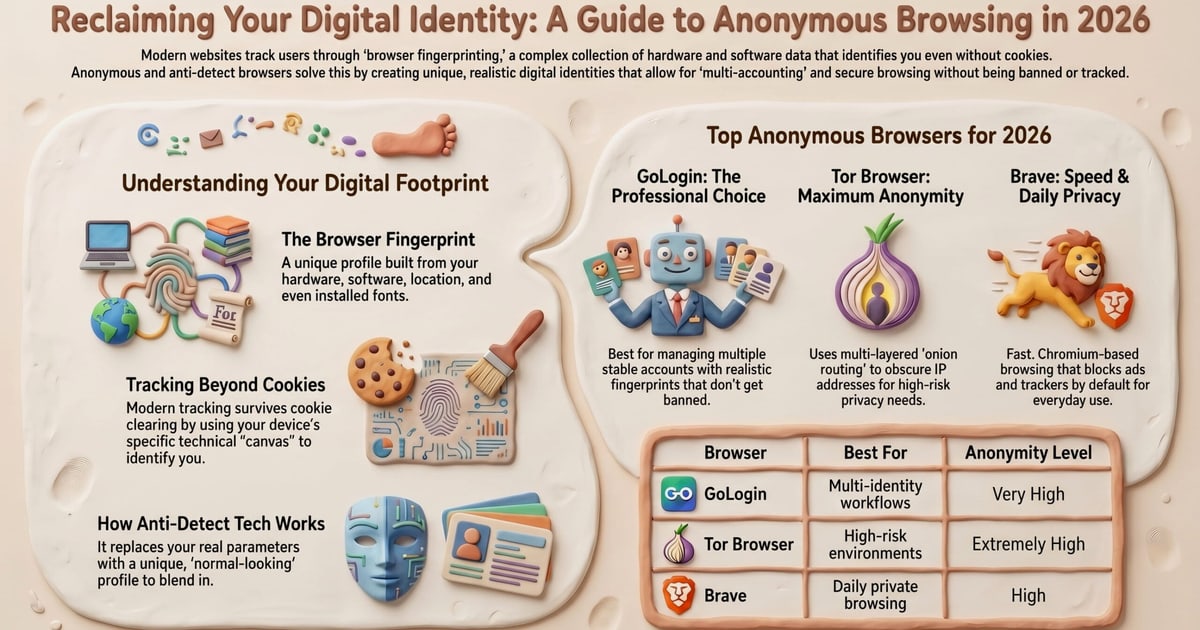
Choosing between AdsPower, Multilogin, and Genlogin is not just about picking the cheapest plan. Each tool approaches multi-account management differently: one prioritizes automation at scale, another combines cloud phones with browser profiles, and a third focuses on simplicity for beginners. This comparison breaks down fingerprint isolation, automation depth, pricing, and team features so you can match the right platform to your actual workload.
AdsPower vs Multilogin vs Genlogin: Which Wins in 2026? - Search Intent: What Buyers Actually Want to Know.
Most people comparing these three tools are running one of these workflows:
The core question is rarely "which is best overall" but "which one handles my scale and automation needs without overpaying."
AdsPower vs Multilogin vs Genlogin: Which Wins in 2026? - Quick Comparison at a Glance.
| Criteria | AdsPower | Multilogin | Genlogin |
|---|---|---|---|
| Free tier | 5 profiles | No free tier | 5 profiles |
| Starting paid price | ~$5.4/mo | ~€99/mo | ~$20/mo |
| Max profiles | 10,000 | 1,000 | 500+ |
| Automation tools | RPA, Local API, Selenium, Puppeteer | Puppeteer, Selenium, Playwright, Postman | Automation tasking, API access |
| Cloud phones | No | Yes (12+ device brands) | No |
| Built-in proxies | No | Yes (150+ locations) | No |
| Certifications | SOC 2 Type II, ISO 27001, ISO 27701 | Not listed | Not listed |
| Best for | Budget automation, high-volume teams | Enterprise teams needing mobile + browser | Beginners, simple multi-accounting |
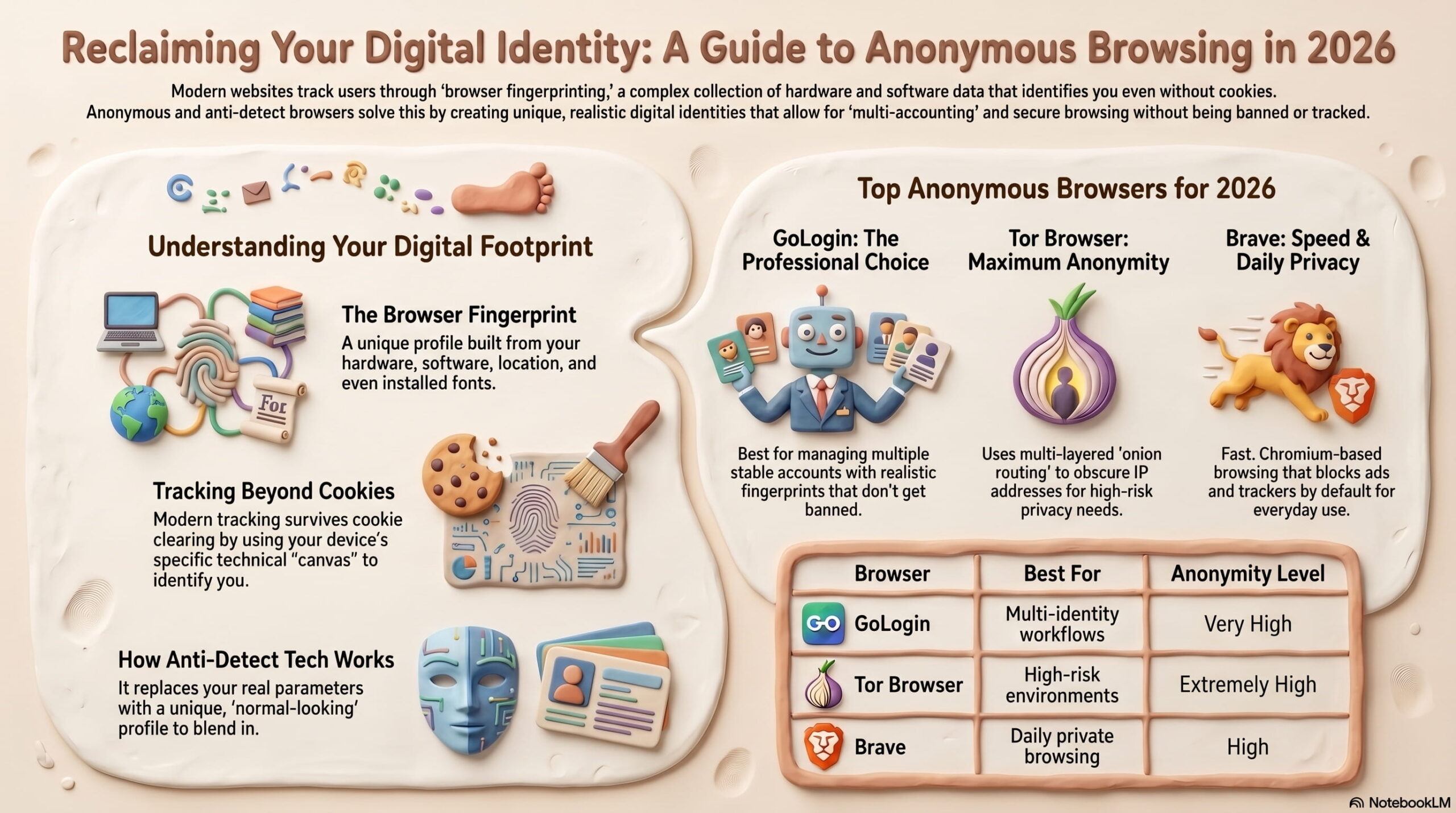
AdsPower vs Multilogin vs Genlogin: Which Wins in 2026? - Fingerprint Isolation: How Each Browser Protects Your Accounts.
All three platforms create isolated browser profiles with unique digital fingerprints. The difference lies in the depth of customization and the realism of the generated identity.
AdsPower lets you adjust individual fingerprint parameters including Canvas, WebGL, user agent, timezone, language, and hardware signals. Profiles run on the latest Chrome engine, which reduces the chance of a browser version mismatch flagging your session. For teams that need fine-grained control over each profile's identity, this level of manual tuning is a practical advantage.
Multilogin runs two browser engines — Mimic and Stealthfox — which gives you flexibility when a website behaves differently across Chromium and Firefox-based environments. Its fingerprint generation is designed to create realistic, persistent identities rather than randomized noise. The platform also adds built-in residential proxies, so the IP and fingerprint arrive as a matched pair from the start.
Genlogin handles fingerprint masking automatically, which lowers the learning curve for users who don't want to configure dozens of parameters manually. It covers the essential signals — user agent, Canvas, WebGL, and more — but offers less granular control than AdsPower. For straightforward multi-accounting where you need functional isolation without deep customization, this is often enough.
Automation is where these three tools diverge most sharply.
AdsPower positions automation as a core strength. Its RPA (Robotic Process Automation) feature lets you record and replay actions across profiles without writing code. The Local API connects directly to Selenium and Puppeteer, which means developers can script complex multi-account workflows programmatically. Batch operations let you launch, close, and manage many profiles at once — a meaningful time-saver for teams running hundreds of accounts.
If you're already using Playwright for scraping or account management, the AdsPower Playwright setup guide walks through connecting profiles via the Local API and CDP.
Multilogin supports Puppeteer, Selenium, Playwright, and Postman for browser automation. Its differentiator is cloud phones: Android devices running in the cloud with real device brands. This lets you automate mobile app workflows that browser-only tools cannot reach. If your multi-account strategy includes mobile apps like Instagram, TikTok, or WhatsApp, this dual browser-plus-phone capability is a genuine advantage.
Genlogin offers automation tasking and a synchronizer feature that mirrors actions across multiple profiles simultaneously. The mini-app interface lets you install pre-built automation templates, which is helpful for users who want automation without writing scripts. Its API access exists but is less developer-focused than AdsPower's Local API ecosystem.
Pricing is often the deciding factor.
AdsPower offers a free plan with 5 profiles, and paid plans start around $5.4 per month for 10 profiles. This makes it the most affordable entry point among the three. The tiered structure scales up to 10,000 profiles, which accommodates both solo operators and large teams without forcing an enterprise contract early.
Multilogin has no free tier, and plans start around €99 per month. That price includes built-in residential proxies and cloud phone access, which would otherwise be separate expenses. For enterprise teams already paying for proxies and mobile infrastructure, the bundled pricing can make sense. For solo users or small teams, the entry cost is significantly higher than the alternatives.
Genlogin offers a free plan with 5 profiles, matching AdsPower's free tier. Paid plans start around $20 per month, with a 50% discount available on annual billing. The 500+ profile ceiling is lower than AdsPower's 10,000, so Genlogin is better suited for small to mid-sized operations.
For a deeper look at how another competitor structures its pricing, see the Incogniton pricing breakdown.
AdsPower holds SOC 2 Type II, ISO 27001, and ISO 27701 certifications. For businesses that handle sensitive client data or must meet compliance requirements, these certifications provide documented assurance that security controls are independently audited. Team features include role-based permissions and profile sharing.
Multilogin centralizes browser profiles, cloud phones, and proxies in a single dashboard. Team members can access assigned profiles without sharing raw credentials. This centralized model works well for agencies managing client accounts across different locations.
Genlogin relies on community channels — Telegram, Facebook, YouTube, and Gitbook — for support and documentation. The mini-app store extends functionality through third-party templates. This approach keeps costs down but may not satisfy teams that require formal support SLAs.
Imagine you manage 50 Amazon or eBay seller accounts. Here's how each tool approaches the job:
With AdsPower: You create 50 isolated profiles, assign a unique proxy to each, and use batch operations to launch them simultaneously. RPA records a routine like "check orders, update inventory" and replays it across all profiles. At $5.4/month for 10 profiles, scaling to 50 profiles stays affordable.
With Multilogin: You create 50 browser profiles with built-in residential proxies, so there's no separate proxy setup. If you also manage seller mobile apps, cloud phones handle that side. The €99/month entry cost includes infrastructure that would otherwise be separate line items.
With Genlogin: You create 50 profiles on a paid plan, apply fingerprint masking automatically, and use the synchronizer to mirror actions across profiles. Automation templates from the mini-app store handle common e-commerce tasks without custom code.
If you already use social media scheduling tools, AdsPower can work alongside them. The AdsPower and Hootsuite workflow guide shows how to combine isolated browser profiles with scheduled posting for multi-client social media management.
For CAPTCHA-heavy workflows, pairing AdsPower with an AI solver can reduce manual interruptions. The AdsPower and CapSolver setup guide covers the integration.
AdsPower has the lowest paid entry point at around $5.4 per month for 10 profiles. Genlogin's paid plans start around $20 per month, while Multilogin starts around €99 per month with built-in proxies and cloud phones included.
Multilogin does not offer a free tier. AdsPower and Genlogin both provide free plans with 5 profiles, which is useful for testing before committing.
Yes. AdsPower's RPA feature records and replays actions without code. Genlogin offers automation tasking and pre-built templates. Multilogin supports code-based automation through Puppeteer, Selenium, and Playwright, which requires some technical skill.
Multilogin is the only one of the three that offers cloud Android phones with 12+ real device brands. AdsPower and Genlogin focus on browser-based profiles only.
Yes, antidetect browsers are legal when used for legitimate purposes such as managing multiple business accounts, social media marketing, or web scraping. Using them for fraud or violating platform terms of service can lead to account bans or legal consequences.
AdsPower supports up to 10,000 profiles, Multilogin up to 1,000, and Genlogin up to 500+ depending on the plan. Your profile ceiling should match your expected scale.
AdsPower, Multilogin, and Genlogin each serve distinct segments of the multi-account market. AdsPower wins on entry price, automation depth, and compliance certifications. Multilogin differentiates with cloud phones and bundled residential proxies, making it compelling for mobile-first operations. Genlogin appeals to beginners and small teams with its simple interface, free plan, and template-driven automation.
The right choice depends on whether you need browser-only profiles or mobile app coverage, whether you prefer code-based or no-code automation, and how many profiles you expect to manage. Test the free tiers where available, run a small pilot with your actual workflow, and let the results guide the decision.


