
AdsPower vs ClonBrowser: Which Anti-Detect Browser Wins?
Nov 18, 2026
Managing multiple online accounts without triggering platform bans is a constant challenge for cross-border e-commerce sellers, social media marketers, affiliate marketers, and digital advertisers. Anti-detect browsers like AdsPower, RoxyBrowser, and MuLogin solve this by creating isolated browser environments with unique digital fingerprints. But which one is right for your specific needs?
In this head-to-head comparison, we evaluate each tool across the criteria that matter most: fingerprint isolation, automation capabilities, team collaboration, proxy support, pricing, and real-world use cases. By the end, you’ll have a clear decision framework to choose the best anti-detect browser for your workflow.
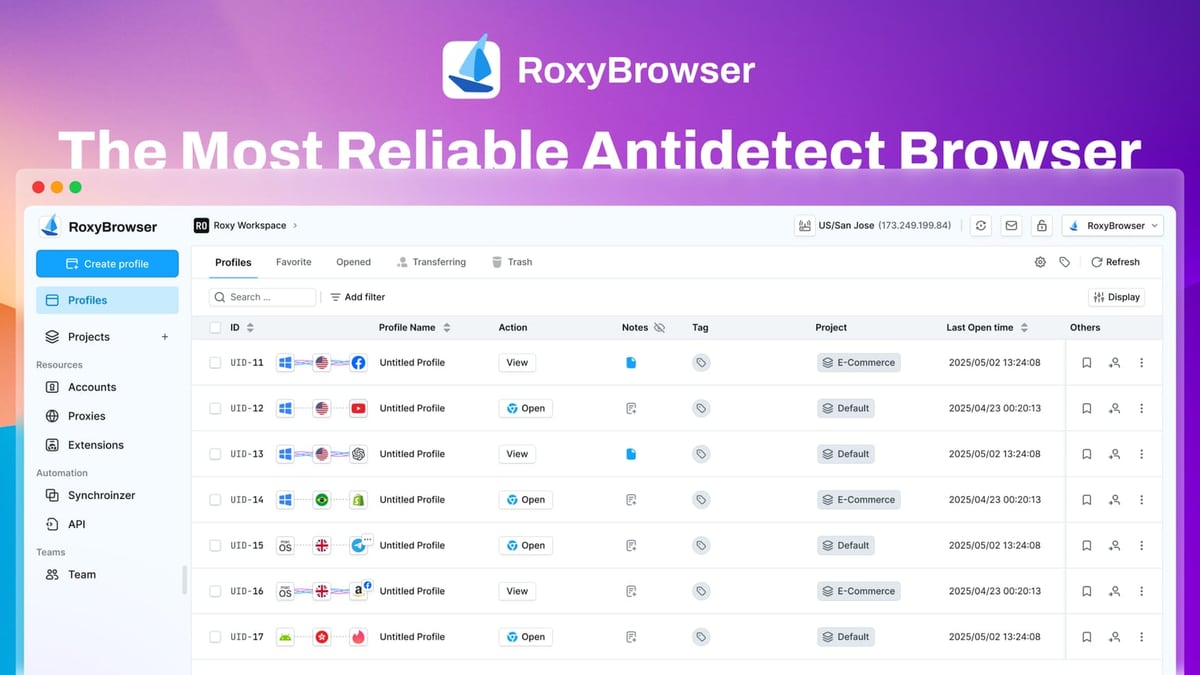
AdsPower vs RoxyBrowser vs MuLogin: 2026 Anti-Detect Browser Comparison product interface and feature overview.
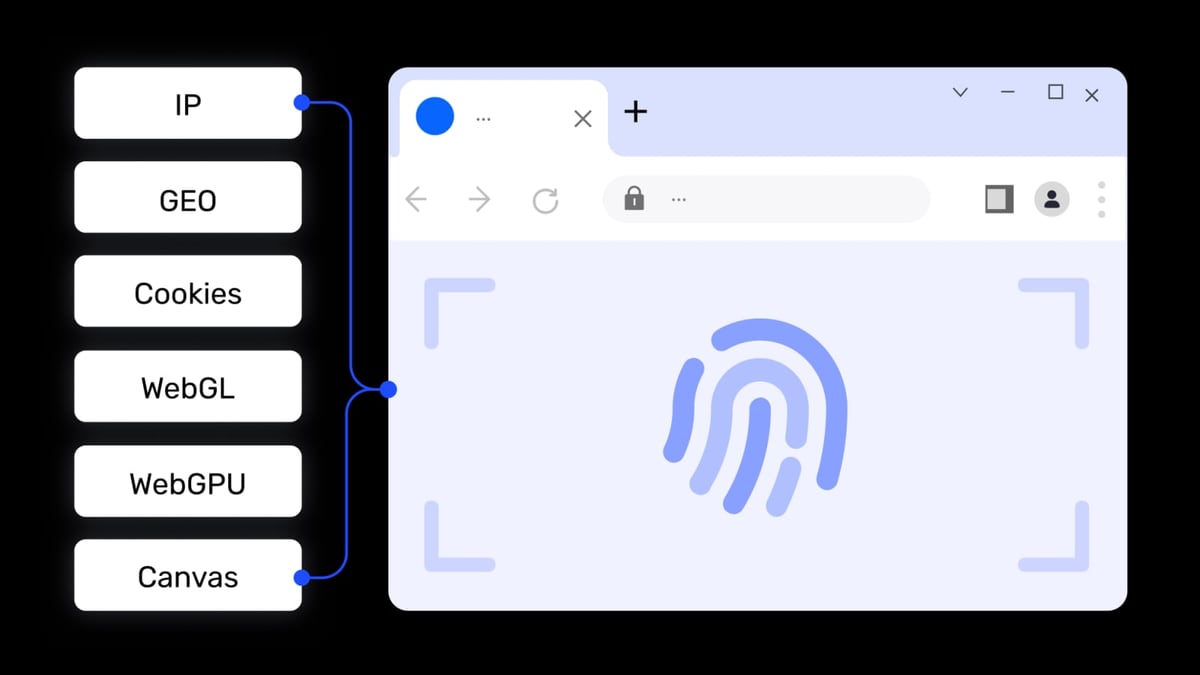
All three browsers allow you to run multiple accounts on a single device by spoofing browser fingerprints (Canvas, WebGL, Audio, WebRTC, etc.). However, they differ significantly in feature depth, pricing structure, and target audience.

AdsPower vs RoxyBrowser vs MuLogin: 2026 Anti-Detect Browser Comparison product interface and feature overview.
AdsPower provides 20+ customizable fingerprint parameters and supports two browser kernels: SunBrowser (Chromium-based) and FlowerBrowser (Firefox-based). This dual-kernel approach gives you flexibility when platforms behave differently across browser engines. Profiles are fully isolated with separate cookies, localStorage, and cache.
RoxyBrowser uses advanced fingerprint isolation technology to create unique browser environments for each profile. It integrates tightly with RoxyIP proxies, allowing you to assign a dedicated proxy to each profile easily. The browser supports Windows and macOS and offers a 7-day free trial to test its fingerprinting capabilities.
MuLogin creates segregated browser environments with unique fingerprints and supports batch profile creation—a time-saver when you need to spin up dozens of profiles quickly. It also offers sub-account management and proxy integration, though its fingerprint customization options are less extensive than AdsPower’s.
Verdict: AdsPower leads in fingerprint depth and dual-kernel support. RoxyBrowser’s proxy integration is a standout for users who prioritize IP diversity. MuLogin is a solid choice for those who need quick bulk profile creation.
AdsPower vs RoxyBrowser vs MuLogin: 2026 Anti-Detect Browser Comparison product interface and feature overview.
AdsPower shines in automation. It includes a built-in RPA (Robotic Process Automation) tool with pre-built templates and a drag-and-drop workflow creator. You can automate repetitive tasks like account registration, login sequences, and data extraction without writing code. For developers, AdsPower offers a local API compatible with Selenium, Puppeteer, Playwright, and even the MCP protocol for AI agent integration.
RoxyBrowser supports automation via Puppeteer, Selenium, and Playwright, making it suitable for teams that already use these frameworks. However, it lacks a built-in no-code automation tool, so you’ll need to write scripts or use third-party tools for task automation.
MuLogin provides a REST API that allows you to create and manage profiles programmatically. It also supports Selenium and Puppeteer integration, but like RoxyBrowser, it does not offer a native no-code automation interface.
Verdict: AdsPower is the clear winner for automation, especially if you want to automate tasks without coding. RoxyBrowser and MuLogin are adequate for teams comfortable with scripting.
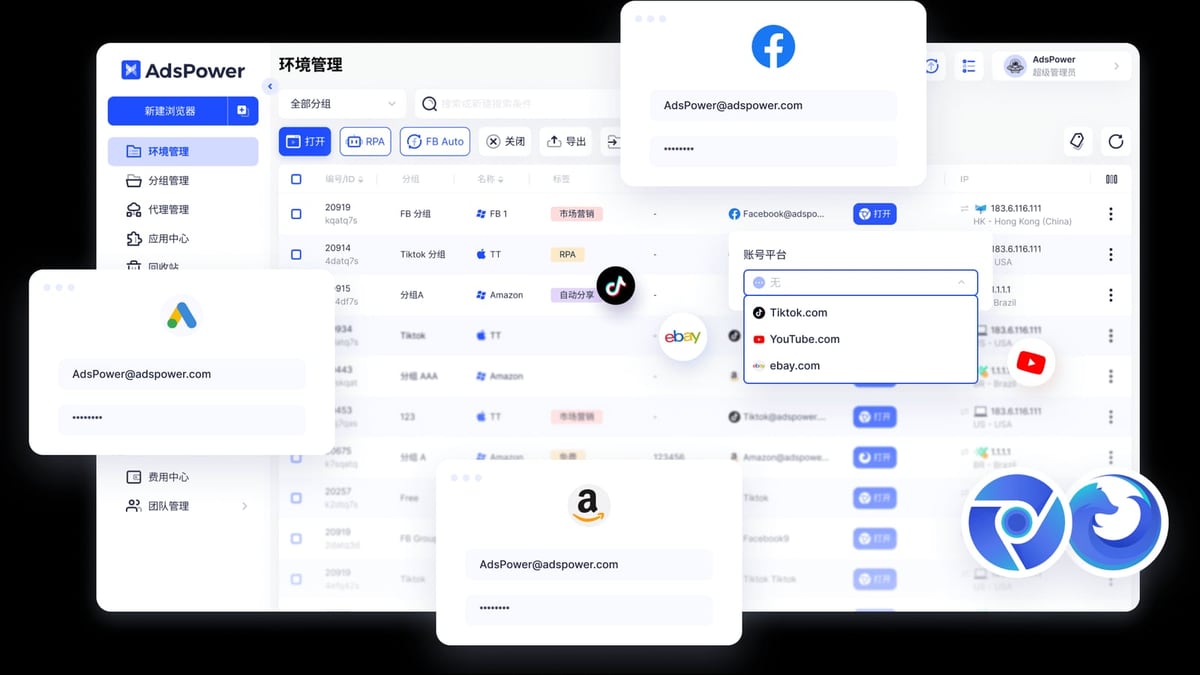
AdsPower vs RoxyBrowser vs MuLogin: 2026 Anti-Detect Browser Comparison product interface and feature overview.
AdsPower offers robust team collaboration features: role-based permissions, environment sharing, and activity logs. You can assign different access levels to team members and share specific profiles or folders. This makes it suitable for agencies managing multiple client accounts.
RoxyBrowser supports team collaboration via Workspaces, allowing you to organize profiles and share them with team members. It provides granular control over who can access which profiles, but its collaboration features are less mature than AdsPower’s.
MuLogin includes sub-account management, enabling you to create separate accounts for team members with limited permissions. It’s functional for small teams but lacks the advanced permission hierarchies found in AdsPower.
Verdict: AdsPower offers the most comprehensive team management tools. RoxyBrowser and MuLogin are adequate for small to medium teams.
AdsPower supports HTTP, HTTPS, SOCKS5, and SSH proxies. You can assign a proxy to each profile individually or in bulk. The platform also integrates with major proxy providers, and you can find a detailed setup guide for IPRoyal here.
RoxyBrowser has a distinct advantage here: it integrates seamlessly with RoxyIP proxies, offering a unified experience for managing both proxies and browser profiles. If you already use or plan to use RoxyIP, this tight integration simplifies workflow.
MuLogin supports proxy integration with common providers, but its proxy management interface is less polished than RoxyBrowser’s. It works well for basic proxy assignment but lacks advanced features like proxy rotation scheduling.
Verdict: RoxyBrowser wins for users who want a seamless proxy-browser combo. AdsPower offers broader proxy protocol support. MuLogin is sufficient for basic proxy needs.
| Browser | Free Tier | Paid Plans (Monthly) | Key Features at Entry Level |
|---|---|---|---|
| AdsPower | 2 profiles | From $9/month | 10 profiles, basic automation, team collaboration |
| RoxyBrowser | 7-day free trial | From $29/month (estimated) | 50 profiles, proxy integration, basic automation |
| MuLogin | No free tier | From $59/month | 100 profiles, batch creation, REST API |
Note: Prices are approximate and subject to change. Always check the official website for current pricing.
Verdict: AdsPower offers the most affordable entry point with a generous free tier. MuLogin provides high profile counts at a moderate price. RoxyBrowser’s pricing is competitive for those who need integrated proxy services.
AdsPower holds SOC 2 Type II, ISO 27001, and ISO 27701 certifications, demonstrating a strong commitment to data security and privacy. It also provides activity logs and two-factor authentication.
RoxyBrowser and MuLogin do not publicly disclose similar certifications. If compliance is a priority for your business (e.g., handling sensitive customer data), AdsPower is the safer choice.
Yes, all three browsers can be installed on the same machine. However, running multiple anti-detect browsers simultaneously may consume significant system resources. It’s best to use one primary browser and test others as needed.
AdsPower offers a free tier with 2 profiles, making it easy to start without commitment. RoxyBrowser provides a 7-day free trial. MuLogin does not offer a free tier, so beginners may prefer AdsPower or RoxyBrowser for initial testing.
AdsPower can simulate mobile user agents and screen resolutions, but it does not offer native mobile app emulation. RoxyBrowser and MuLogin have similar limitations. For true mobile account management, consider a cloud phone solution like GeeLark.
Profile migration is not officially supported between these browsers. You would need to export cookies and manually recreate profiles. For long-term use, choose one browser and stick with it.
AdsPower has SOC 2 and ISO certifications, indicating robust security practices. RoxyBrowser and MuLogin have not published similar certifications. Always download software from official sources and avoid cracked versions, which may contain malware.
Choosing between AdsPower, RoxyBrowser, and MuLogin depends on your specific needs:
For a deeper dive into other anti-detect browser comparisons, check out our AdsPower vs Kameleo vs Genlogin and AdsPower vs VMLogin guides.
Disclosure: Some links in this article are affiliate links. We may earn a commission at no extra cost to you.


