
AdsPower vs ClonBrowser: Which Anti-Detect Browser Wins?
Nov 18, 2026

A cross-border e-commerce seller runs storefronts, marketplace accounts, and ad campaigns across more than one country. The opportunity is real: global cross-border e-commerce value is projected to climb from roughly $551 billion in 2025 toward $2 trillion by 2034, according to Stripe's overview of cross-border businesses. The hard part is not ambition — it is operations, compliance, and account safety across jurisdictions.
This guide covers what cross-border selling actually involves, how to choose platforms and markets, the legal and tax essentials, and how multi-account sellers keep dozens of storefronts and marketplace profiles from tripping platform risk systems.
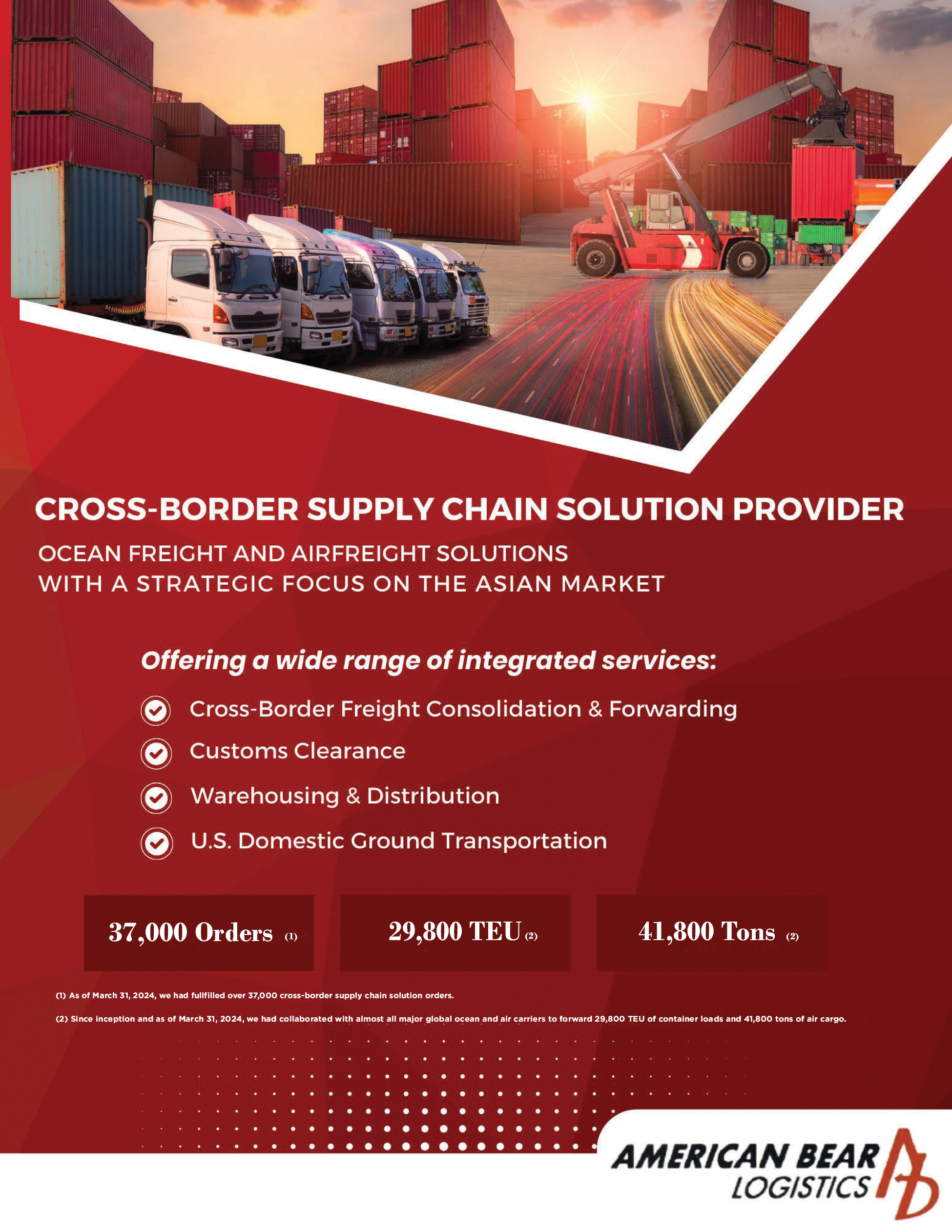
Cross-Border E-Commerce Seller Guide: Tools, Risks & Setup - What Makes a Cross-Border E-Commerce Seller Different.
A domestic seller ships within one tax and legal system. A cross-border seller handles at least two. That changes almost every workflow:
That last point is where operational risk quietly accumulates. Platforms link accounts through device fingerprints, IP addresses, cookies, and payment signals. A single shared browser session can connect accounts you intended to keep separate.

Cross-Border E-Commerce Seller Guide: Tools, Risks & Setup - Choosing Markets and Platforms.
Before committing to a country, check three things: demand for your category, the cost of compliant fulfillment, and how competitive the local incumbents are. Stripe's analysis frames this as a trade-off between broadened reach and market-entry friction — established local brands usually have a trust advantage you have to overcome with localization and service.
Review platforms such as Gartner Peer Insights' cross-border e-commerce platform listings show how wide the tooling landscape is. In practice, sellers choose among:
| Model | Typical fit | Watch out for |
|---|---|---|
| Global marketplaces (Amazon, eBay, Etsy) | Fast access to international buyers | Account suspension risk, category restrictions |
| Localized storefronts (Shopify Markets, BigCommerce) | Brand control and margin | You own tax, fraud, and logistics complexity |
| Cross-border service layers (Global-e, Zonos, FlavorCloud) | Landed-cost transparency and localized checkout | Added cost per transaction |
| Regional marketplaces (Zalando, niche platforms) | Deep reach in one region | Separate compliance per region |
Most successful sellers combine two or three of these rather than betting on one channel.
Legal exposure is the most underestimated part of cross-border selling. As Urban Thier & Federer's legal breakdown for international sellers explains, ignoring destination-country rules can lead to fines, seized goods, or suspended seller accounts.
Key areas to plan for:
Treat compliance as a launch prerequisite, not a cleanup task.

Cross-Border E-Commerce Seller Guide: Tools, Risks & Setup - The Multi-Account Reality for Cross-Border Sellers.
Cross-border sellers rarely operate one account. A typical setup might include:
Platforms actively detect shared identity signals. If two accounts log in from the same browser fingerprint, the same canvas hash, or overlapping proxy IPs, they can be linked — and linked accounts are a common trigger for restrictions or bans.
The standard operational answer is profile isolation: each account gets its own browser environment with a distinct fingerprint and its own proxy. This is exactly the problem anti-detect browsers are built to solve.
AdsPower is an anti-detect browser designed for multi-accounting. It lets you create isolated browser profiles, each with a unique fingerprint, so you can manage many accounts from one device without the accounts appearing connected.
Relevant capabilities for cross-border sellers:
AdsPower reports over 10 million users and holds SOC 2 Type II, ISO 27001, and ISO 27701 certifications — relevant if you are evaluating tools for a business that handles customer and payment data.
If you are weighing tools, the 2026 ranking of anti-detect browser software compares fingerprint depth, automation, proxy support, and pricing across the main options.
The traditional way to isolate accounts is one device per account — expensive, slow, and hard to scale. Profile-based isolation replaces that with software, which is the main cost argument for anti-detect browsers in e-commerce operations.
Where the savings actually come from:
Automation tools inside AdsPower can also handle repetitive tasks like opening profiles, applying proxies, and running routine actions across many accounts — but keep automation conservative on marketplaces with strict bot policies.
A seller who sells goods or services to customers in countries other than their own, typically through marketplaces, localized storefronts, or cross-border service platforms.
No — if you operate a single account, a normal browser is fine. Anti-detect browsers become relevant when you manage multiple accounts on the same platform or across regions and need to keep their identities isolated.
Policies vary. Many platforms permit multiple accounts under conditions, such as separate brands and disclosed relationships, while prohibiting accounts used to evade restrictions. Always read the specific marketplace policy before scaling.
Match the proxy's country and type to the account's target market. Residential or ISP proxies generally perform better for seller accounts than shared datacenter IPs.
For business use, look for SOC 2 Type II, ISO 27001, and ISO 27701, which indicate audited controls around security and privacy. AdsPower holds all three.
With profile isolation, hundreds of profiles can run from a single machine. The practical limit is usually proxy quality, team workflow, and how much activity each account can sustain without review.
Cross-border selling rewards sellers who treat operations and compliance as core competencies, not afterthoughts. Get the legal and tax foundation right, choose platforms that match your model, and isolate every account so a single mistake does not cascade across your entire business.
For sellers running multiple storefronts or marketplace accounts, an anti-detect browser like AdsPower turns account isolation from a hardware problem into a software workflow — one device, many clean profiles, and a much smaller risk surface.


