
AdsPower vs ClonBrowser: Which Anti-Detect Browser Wins?
Nov 18, 2026
Airdrop farming rewards speed and organization: the earlier you spot a campaign and the cleaner you run your accounts, the better your odds of qualifying. Most guides cover one half of that equation — either where to find airdrops or how to avoid account bans — but rarely both. This article shows how AirdropAlert and AdsPower fit together, from initial setup to a repeatable daily workflow, plus the practical problems the pairing solves.
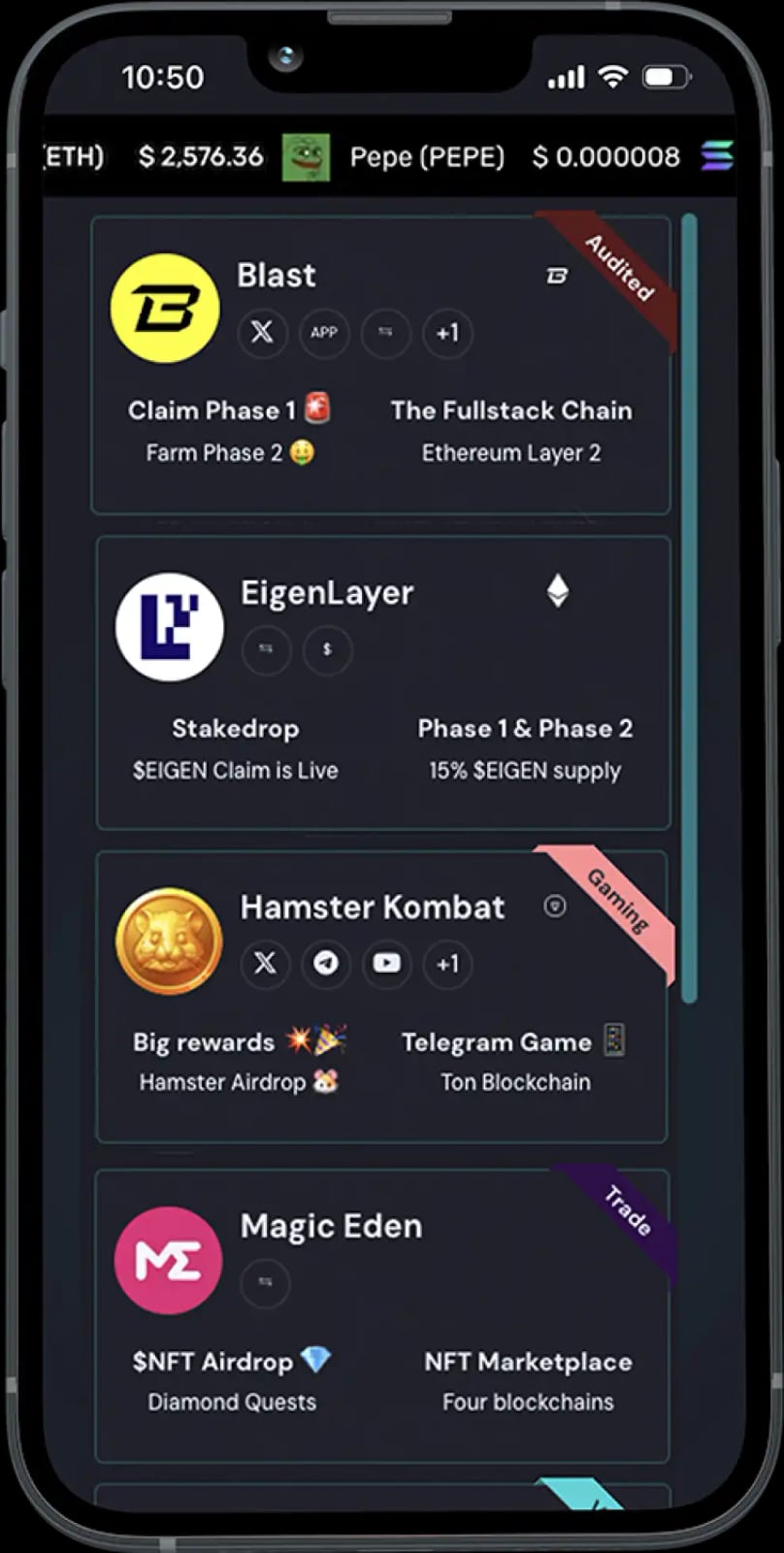
AirdropAlert product interface.
AirdropAlert is a long-running airdrop aggregator that has listed campaigns since 2017. It curates and filters opportunities, provides step-by-step guides, and sends notifications for new airdrops, token generation events (TGEs), and eligibility checks. It also tracks crypto prices and market cap data for major coins.
AdsPower is an anti-detect browser that creates isolated browser environments, each with its own fingerprint (Canvas, WebGL, User Agent, IP, and more). That isolation is what makes multi-account airdrop farming viable: each account looks like a separate real user on a separate device.
Put simply, AirdropAlert answers what to farm and when, while AdsPower answers how to run it without accounts getting linked. The combination turns airdrop hunting from a manual, error-prone chore into a structured pipeline.
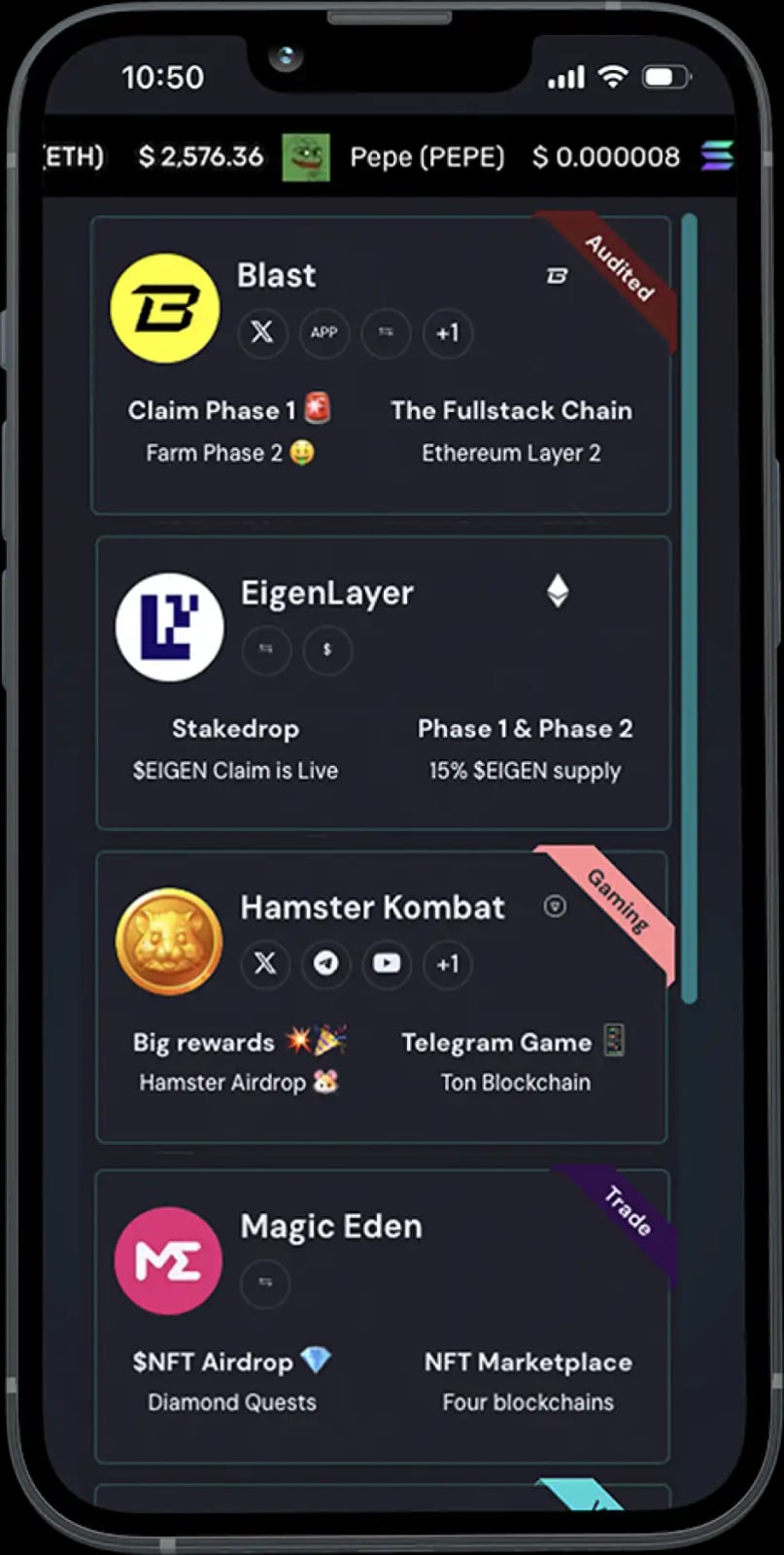
AirdropAlert product interface.
| Task | AirdropAlert | AdsPower |
|---|---|---|
| Discover new campaigns | Daily updated listings, filters, notifications | — |
| Follow task instructions | Step-by-step guides | — |
| Create and run accounts | — | Isolated profiles with unique fingerprints |
| Match geo requirements | — | Proxy integration per profile |
| Scale repetitive actions | — | RPA, Local API |
| Team collaboration | — | Profile sharing and role management |
| Track eligibility and TGEs | Eligibility checks, TGE alerts | — |
Neither tool replaces the other. AirdropAlert without AdsPower leaves you exposed to account linking; AdsPower without a curated source leaves you guessing which campaigns are worth the effort.
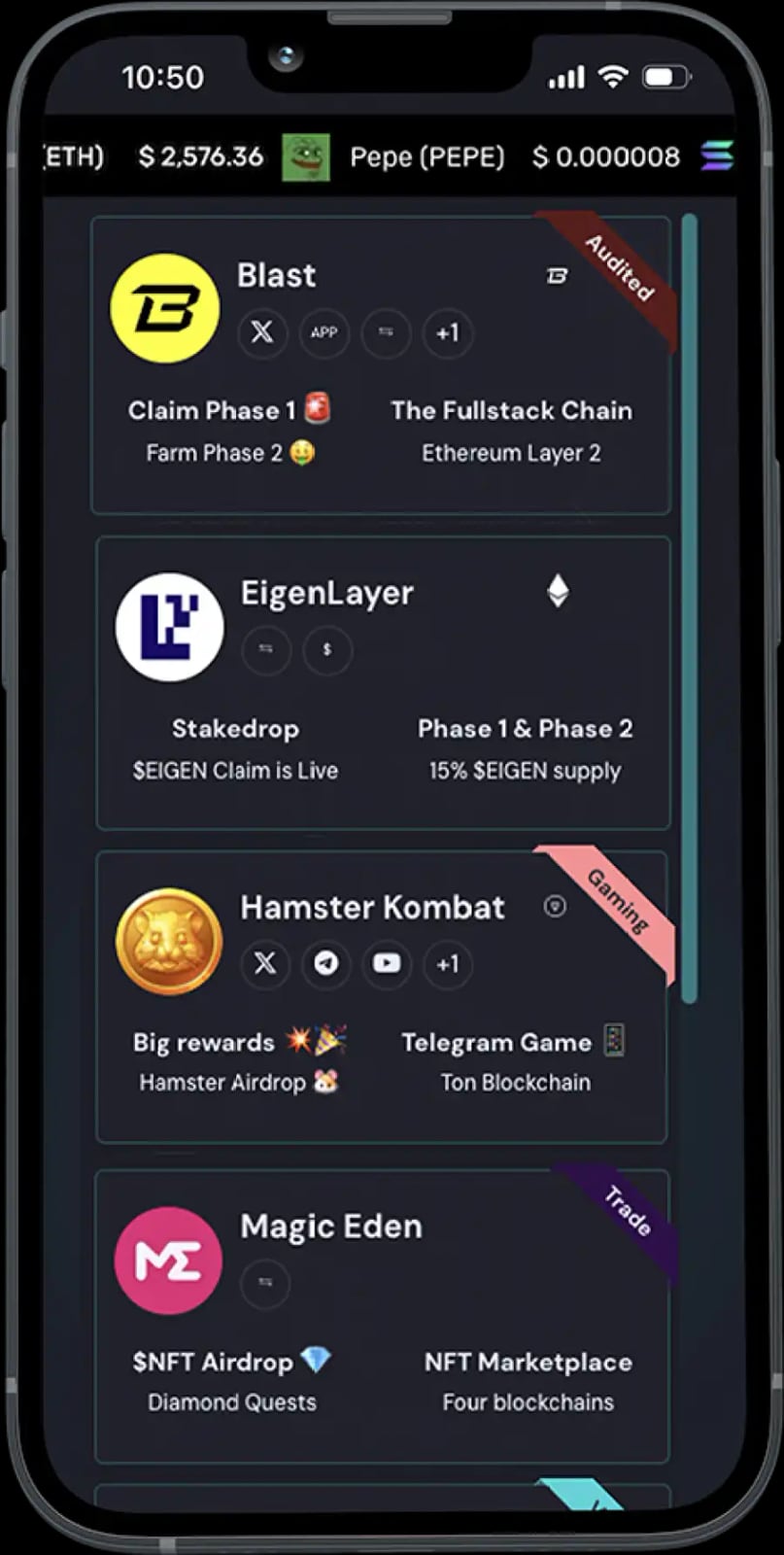
AirdropAlert product interface.
Before you start, prepare:
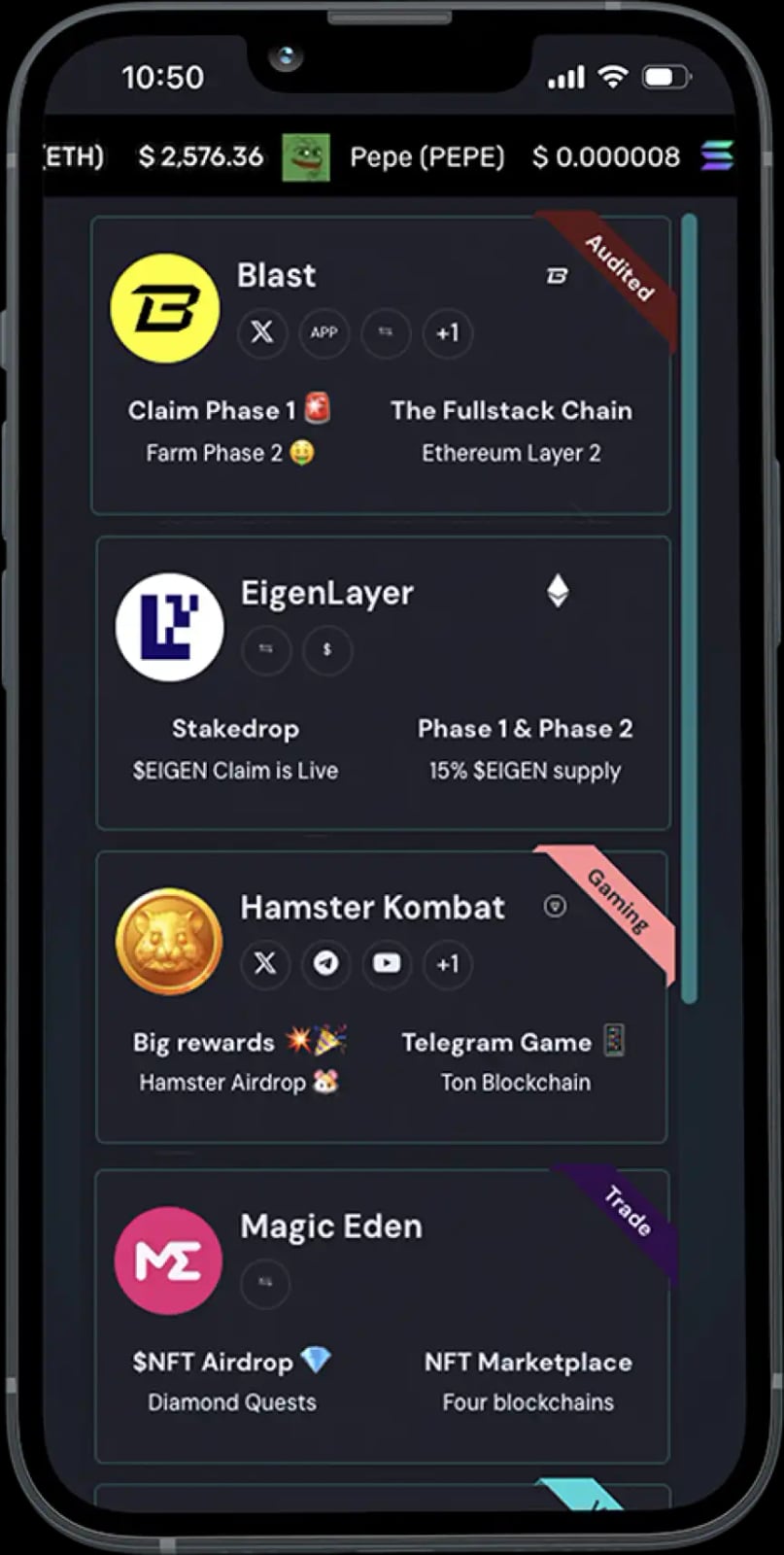
AirdropAlert product interface.
Open AirdropAlert and use the search and filter options to narrow campaigns by chain, category, effort level, and status. Prioritize:
Export or note the task requirements for each campaign. This becomes the input for your AdsPower profiles.
In AdsPower, create a new browser profile for each airdrop account. Keep the mapping strict: one profile = one account = one wallet = one proxy. Name profiles clearly (for example, AL-ProjectX-01) so you can trace any account back to its campaign.
Attach a proxy to every profile before first use. Match the proxy's country to the airdrop's target region — many campaigns weight eligibility by geography. Avoid reusing the same IP across profiles; that is the fastest way to get accounts clustered and disqualified.
If you need a refresher on proxy pairing, see our walkthrough on using AdsPower with Proxy-Cheap, which covers geo-matched profiles end to end.
Fresh profiles that immediately perform airdrop tasks look unnatural. Spend a few sessions browsing, connecting wallets, and interacting with the project's social channels at a human pace. This also gives you time to confirm the proxy and fingerprint are stable before you commit to a campaign.
Work through each AirdropAlert guide inside the corresponding AdsPower profile. Typical tasks include:
Complete each task in the profile that owns the account. Never mix tasks between profiles.
Once a workflow is proven, use AdsPower's RPA or Local API to repeat it across profiles. Automation is best applied to mechanical steps — opening pages, filling forms, checking balances — not to decisions about which campaigns to join. For a broader overview of what is worth automating, see our guide to web automation.
Return to AirdropAlert regularly to check eligibility status and TGE notifications. Log every claim, snapshot date, and result in your tracker. When a token launches, claim from the correct profile and wallet, then record the outcome.
Imagine a testnet campaign listed on AirdropAlert with a two-week window and a 10-account target.
Without profile isolation, ten accounts completing identical testnet actions from one device and IP would almost certainly be flagged. With AdsPower, each account presents as an independent user.
AirdropAlert is a discovery and tracking platform; AdsPower is a browser tool. Whether multi-account participation is permitted depends on each project's rules. Always read the campaign terms, and treat sybil detection as a real risk.
For a handful of accounts, the free plan may be enough. If you are running many profiles, need team features, or want to use RPA and Local API at scale, a paid tier is more practical.
Yes. AirdropAlert works as a standalone airdrop tracker. AdsPower becomes relevant when you manage more than one account and need to keep them unlinked.
Residential or mobile proxies that match the campaign's target region generally perform best. Datacenter IPs are cheaper but more likely to be flagged.
That depends on your AdsPower plan, proxy budget, and the time you can realistically spend per campaign. Quality and consistency matter more than raw account count.
AirdropAlert and AdsPower solve two different halves of the same problem: finding legitimate opportunities and running them without getting accounts linked. Set up one profile per account, match proxies to campaign regions, warm up before acting, and track every deadline and claim. Done consistently, this workflow turns scattered airdrop hunting into a repeatable process — and gives you a much better shot at actually qualifying.


