
AdsPower vs ClonBrowser: Which Anti-Detect Browser Wins?
Nov 18, 2026
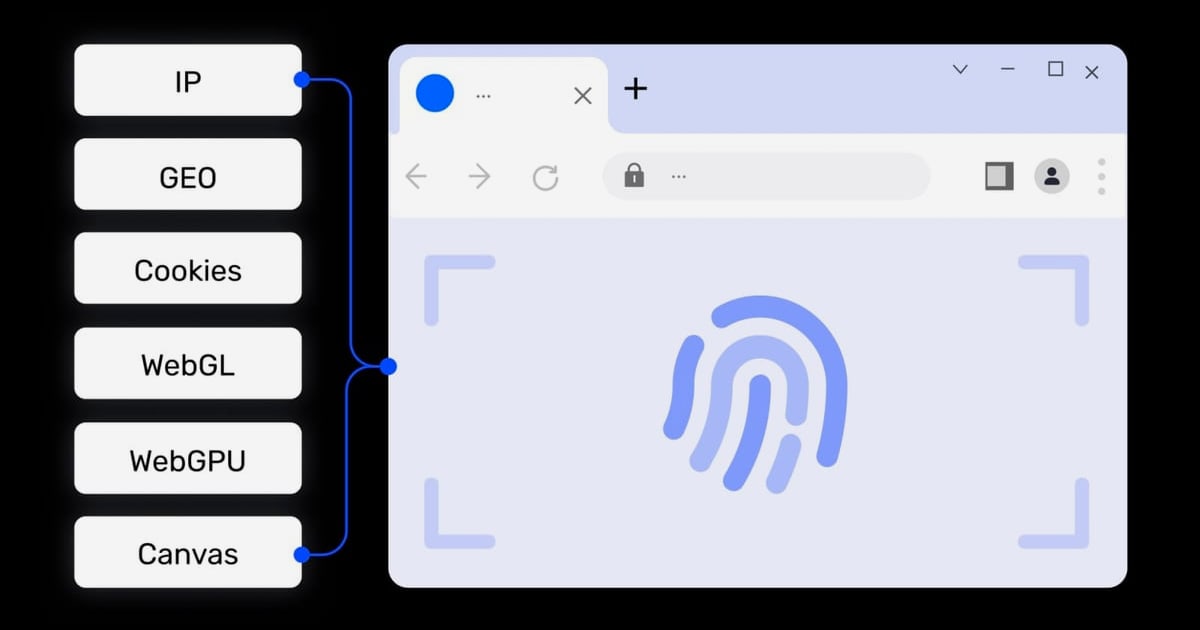
Managing multiple accounts on platforms like Amazon, Facebook, or TikTok used to mean juggling separate devices and praying nothing linked them. AdsPower’s fingerprint browser solves that by giving you isolated digital environments with unique identities. But how do you know your setup is truly bulletproof? That’s where Whoer.net comes in—a privacy toolkit that acts as a litmus test for your anonymity. This guide walks you through combining AdsPower and Whoer.net to verify fingerprints, spot proxy leaks, and lock down every account environment before you even log in.
How to Use AdsPower with Whoer.net for Leak-Free Multi-Accounting product interface and feature overview.
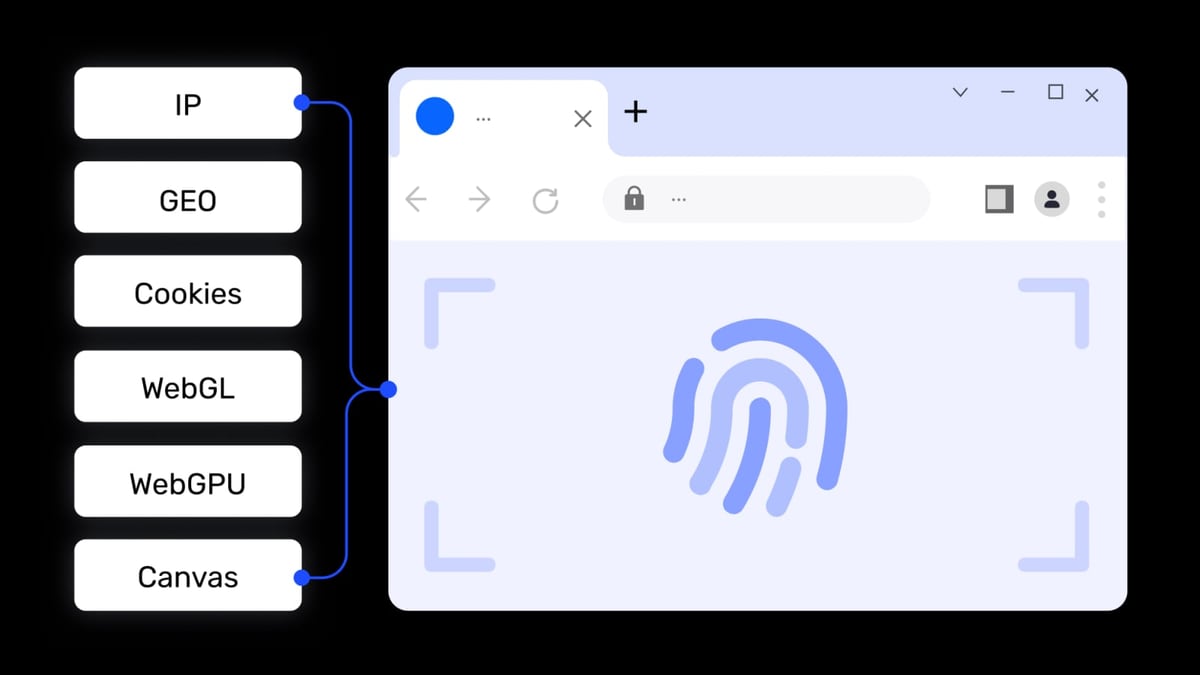
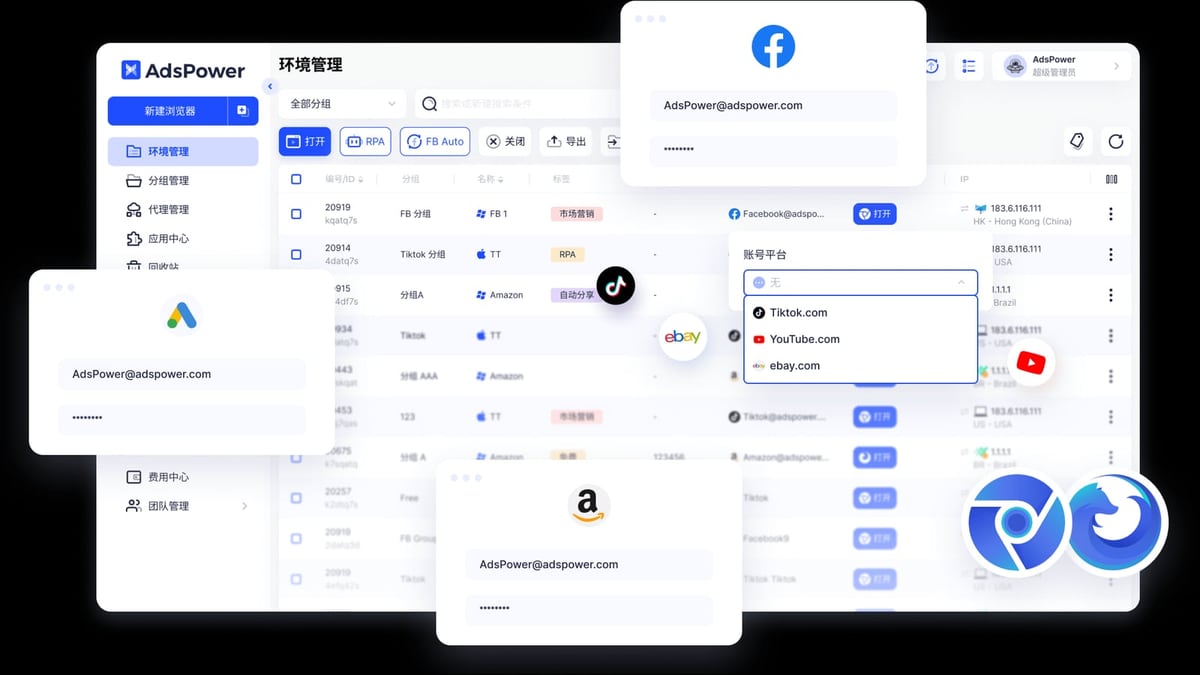
AdsPower is a professional anti-detect browser built for cross-border e-commerce sellers, affiliate marketers, and social media managers. It creates isolated browser profiles where each one gets a distinct fingerprint—things like Canvas, WebGL, AudioContext, and WebRTC—paired with its own proxy. The result? Each profile looks like a completely separate device to any website. With dual Chromium and Firefox kernels, RPA automation, team collaboration, and support for all major proxy types, AdsPower turns a single laptop into a full-scale multi-account command center. (For a head-to-head comparison of leading anti-detect browsers, you might find our AdsPower vs Multilogin vs BitBrowser analysis helpful.)
Whoer.net complements AdsPower by offering a free online privacy check. Visit the site, and it instantly shows your IP address, location, ISP, and a detailed privacy score. More importantly, it detects leaks: WebRTC exposing your real IP, DNS mismatches, browser fingerprint inconsistencies, and timezone or language mismatches. Beyond the checker, Whoer.net provides a VPN (WhoVPN), residential proxies, and its own anti-detect browser WADE X, but for this workflow, we focus on using it as a verification tool.
How to Use AdsPower with Whoer.net for Leak-Free Multi-Accounting product interface and feature overview.
Even a small misconfiguration can blow your cover. A proxy that doesn’t route correctly, a WebRTC setting that leaks your home IP, or a fingerprint that doesn’t match your chosen location—any of these can trigger account bans or association flags. By running every AdsPower environment through Whoer.net’s checks, you gain a reliable second opinion. The combination solves three common problems:
In short, AdsPower builds the fortress, and Whoer.net tests the walls.
How to Use AdsPower with Whoer.net for Leak-Free Multi-Accounting product interface and feature overview.
Inside the AdsPower client, go to Environment Management and click New Browser. Give the profile a name (e.g., "US Facebook Account 1"). Under Proxy Settings, add your proxy details—protocol (HTTP/HTTPS/SOCKS5), host, port, username, and password. Save and open the environment. AdsPower will launch an isolated browser window with its own fingerprint and IP.
In the newly launched browser, navigate to whoer.net. The page will display your public IP, approximate location, and a privacy score. Scroll down to the detailed sections: IP, WebRTC, DNS, Browser. Note any yellow or red warnings.
A perfect setup should show:
If the Whoer.net score is below 90%, tweak the following inside AdsPower’s environment configuration:
After making changes, close the environment and reopen it. Then visit Whoer.net again to confirm the score improves. For a deeper dive into proxy troubleshooting, AdsPower’s own proxy verification guide offers additional steps using browser extensions if needed.
Repeat the process until you get a near-perfect score (75% is often enough for most platforms, but aim for 100% if you deal with strict sites like PayPal or banking). Once stable, use the environment to log into your target platform with confidence.
How to Use AdsPower with Whoer.net for Leak-Free Multi-Accounting product interface and feature overview.
A seller runs three Amazon US seller accounts. They create three AdsPower profiles, each with a different US residential proxy. Before logging in, they test each with Whoer.net to make sure the IP location is "United States," the timezone is correct, and no WebRTC leaks expose their real IP. Even one misconfigured environment could link all accounts, causing an instant suspension. After verification, they log in, manage inventory, and run ads without fear.
An agency handles 20 Facebook ad accounts for clients. They use AdsPower’s team collaboration to share environments, but each manager must verify the environment’s anonymity before launching a campaign. They run Whoer.net to see if the fingerprint matches the proxy location; if the language header says "ru" while the IP is in Germany, they adjust UA settings. This simple habit prevents account blocks that could kill a month’s campaign in seconds.
A data scraper uses AdsPower with rotating residential proxies to collect pricing data from e-commerce sites. Before starting a batch, they open a test environment, visit Whoer.net to confirm the IP rotates correctly and that browser fingerprint randomization works. If any leak is detected, they adjust the scraper’s AdsPower automation script via the Local API. For more on combining anti-detect browsers with proxy services, check our guide on how to use AdsPower with Scrapingpass.
Q: Whoer.net shows my real country even though I set a proxy in AdsPower. Why? A: This usually means the proxy isn’t routing correctly. Ensure your local network has a stable connection to the proxy server—AdsPower doesn’t replace your VPN; you often need a system‑wide VPN or a proxy that works without it. Also verify proxy credentials and try using SOCKS5 instead of HTTP for better compatibility.
Q: My WebRTC still leaks after I changed the setting in AdsPower. A: Some fingerprint configurations require a complete environment restart. After changing WebRTC to “Disabled” or “Replace,” close the browser and open it fresh. If the leak persists, disable WebRTC entirely in the profile’s advanced settings and test again.
Q: The fingerprint hash on Whoer.net is flagged as suspicious. What does that mean? A: A unique fingerprint hash isn’t inherently bad; inconsistencies with the IP (e.g., Windows timezone in Moscow while the IP is in New York) are suspicious. Use “Noise” mode for Canvas and WebGL, and manually set timezone and language to match the proxy country.
Q: Can I use Whoer.net’s VPN or browser instead of AdsPower? A: Whoer.net’s tools are privacy-focused but not full-fledged multi-account management solutions. If you need to manage dozens of platform accounts with separate digital identities, AdsPower remains the better choice. Whoer.net’s checker is a sanity check, not a replacement. For a free alternative, our BitBrowser review explores other options.
Q: How often should I re-test an AdsPower environment with Whoer.net? A: Every time you change the proxy or fingerprint settings. Also run a quick check before critical actions, like submitting an appeal or running high-budget ads. Many experienced users make it a ritual before each login.
AdsPower gives you the tools to create hundreds of isolated browser identities, but true safety comes from verifying that those identities hold up to scrutiny. Pairing AdsPower with Whoer.net’s free leak tests turns a good setup into a bulletproof one. By methodically checking IP location, WebRTC, DNS, and fingerprint consistency, you eliminate the guesswork and drastically reduce the risk of account bans. Whether you’re managing e-commerce stores, scaling social media, or scraping data, this simple workflow will save you hours of recovery and money. For additional insights into anti‑detect browsers and automation, explore AdsPower’ growing library of tested comparisons and tutorials.


