
AdsPower vs ClonBrowser: Which Anti-Detect Browser Wins?
Nov 18, 2026
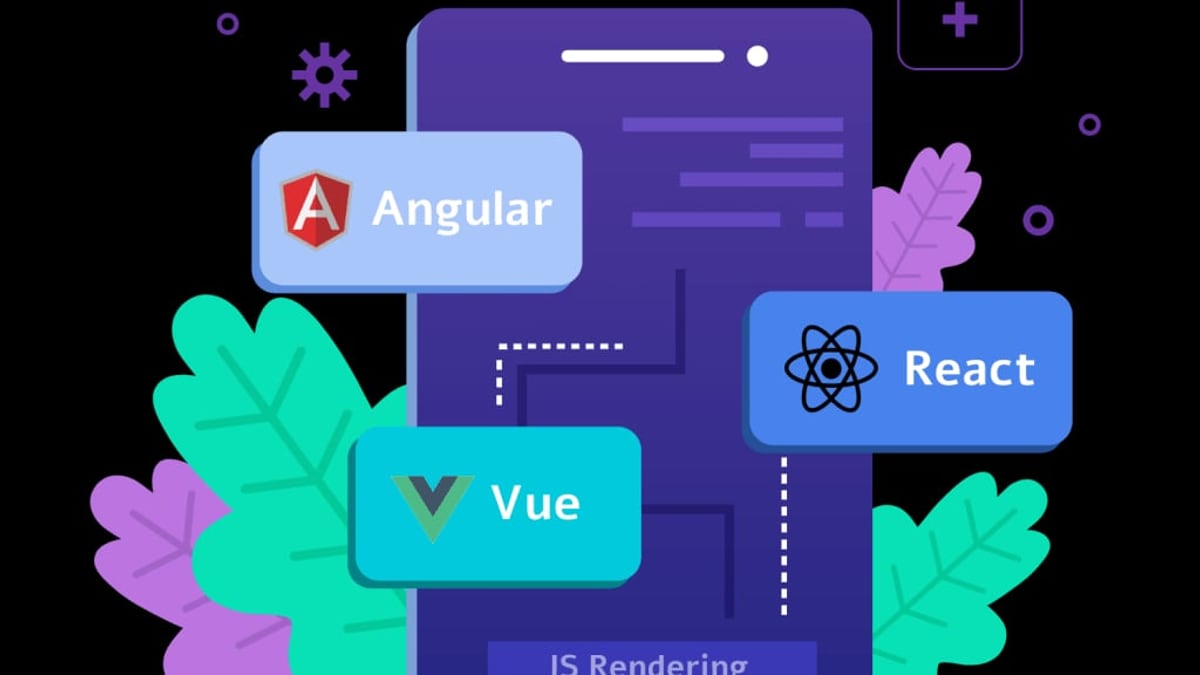
Data extraction from modern websites is no longer a simple HTTP request away. Single-page applications (SPAs) built with React, Angular, or Vue, aggressive anti-bot measures, and rate limits have turned scraping into an arms race. Scrapingpass enters this arena as a dual-purpose platform: a web scraping API with JavaScript rendering and a robotic process automation (RPA) marketplace. But does it deliver on its promises? This evidence-based review breaks down ideal users, core features, pricing signals, setup experience, and decision criteria to help you choose wisely.

Scrapingpass product interface and feature overview.
Scrapingpass is a cloud-based web scraping API and RPA platform developed by SUREPASS TECHNOLOGIES SOLUTIONS PRIVATE LIMITED (India). It aims to simplify data extraction from any website, including JavaScript-heavy SPAs, through a single HTTP REST API endpoint. Behind the scenes, it uses headless Chrome instances, a large pool of rotating proxies (including residential IPs), and supports custom headers, sessions, and geotargeting. Beyond the API, Scrapingpass offers a marketplace where users can post custom scraping or RPA projects and have them fulfilled by vetted developers.
Scrapingpass product interface and feature overview.
Scrapingpass serves a broad spectrum, but it fits certain profiles better than others:
Who should look elsewhere? If you need on-premise deployment, advanced anti-bot evasion beyond rotating proxies, or extremely high-volume scraping (millions of requests per day), Scrapingpass may feel limited. Dedicated proxy services like Bright Data or Oxylabs could be more appropriate.

Scrapingpass Review 2025: Web Scraping API & RPA Tested - supporting product research image 3.
The API is designed for simplicity – a single endpoint handles all requests. You send a URL, and Scrapingpass returns the rendered HTML. This is particularly useful for SPAs where content loads dynamically via JavaScript. The headless Chrome rendering ensures you get the same DOM as a real browser.
Example use case: Scraping product prices from a React-based e-commerce site. Instead of reverse-engineering API calls, you just pass the product page URL to Scrapingpass.
Scrapingpass maintains a large pool of rotating proxies, including residential IPs, to bypass rate limits and IP blocks. This is critical for scraping sites with aggressive anti-bot protection. The proxies rotate automatically per request, reducing the chance of detection.
Limitation: The exact pool size and geographic distribution are not publicly documented. Users report mixed results on very strict targets like Google or Amazon.
You can set custom headers (e.g., User-Agent, Referer) and maintain sessions across requests. Geotargeting allows you to specify a country for the outgoing IP, useful for region-locked content.
Paid plans include JSON auto-parsing, which extracts structured data from HTML. This saves you from writing parsing logic. However, it works best on well-structured pages; complex or irregular layouts may require manual parsing.
The Growth plan ($50/month) includes a Google Search API endpoint. This lets you scrape Google search results programmatically, which is valuable for SEO monitoring and competitive research.
A unique differentiator: users can post custom scraping or RPA projects (e.g., “Automate login to a portal and download reports daily”) and have them completed by vetted developers. Scrapingpass guarantees quality, security, and a money-back policy. This bridges the gap for users who need automation but lack development resources.
Scrapingpass offers four plans. Here’s a breakdown with practical implications:
| Plan | Price | Credits/Requests | Key Features | Best For |
|---|---|---|---|---|
| Free | $0 | 500 requests | Basic API, rotating proxies, no JSON parsing | Testing the waters, small experiments |
| Hobby | $29/month | 5,000 credits | JSON auto-parsing, custom headers, sessions | Solo developers, small projects |
| Startup | $10/month | 10,000 credits | All Hobby features, higher concurrency | Early-stage startups, moderate volume |
| Growth | $50/month | 50,000 credits | Google Search API, priority support | Growing teams, SEO monitoring |
Pricing signals:
Getting started with Scrapingpass is straightforward:
Example cURL command:
curl "https://api.scrapingpass.com/v1/scrape?api_key=YOUR_KEY&url=https://example.com"
Python example:
import requests

response = requests.get(
    "https://api.scrapingpass.com/v1/scrape",
    params={"api_key": "YOUR_KEY", "url": "https://example.com"}
)
print(response.text)
The response contains the rendered HTML. For JSON auto-parsing, add &format=json to the URL. The documentation is clear and includes code samples for multiple languages.
Setup verdict: Excellent for developers. Non-technical users will find the marketplace more accessible than the API.

Scrapingpass Review 2025: Web Scraping API & RPA Tested - supporting product research image 4.
| Feature | Scrapingpass | ScrapingBee | Scrapingdog | Bright Data |
|---|---|---|---|---|
| Starting Price | $10/month (Startup) | $49/month | $49/month | $500+/month |
| Free Plan | 500 requests | 25 requests | 1,000 requests | No |
| JavaScript Rendering | Yes (headless Chrome) | Yes | Yes | Yes |
| Residential Proxies | Yes (pool) | Yes (pool) | Yes (pool) | Yes (dedicated available) |
| RPA Marketplace | Yes | No | No | No |
| JSON Auto-Parsing | Paid plans | Yes | Yes | No (separate tool) |
| Google Search API | Growth plan only | No | No | Yes (add-on) |
Verdict: Scrapingpass is the most affordable option for small-to-medium volumes, especially if you need JavaScript rendering. For high-volume or enterprise-grade scraping, Bright Data or Oxylabs offer more robust infrastructure.
Choose Scrapingpass if:
Avoid Scrapingpass if:
Q: Is Scrapingpass legal? A: Scraping public data is generally legal, but you must respect robots.txt and terms of service. Scrapingpass itself is a tool; legality depends on how you use it. For more on legal scraping, see this guide on web scraping legality.
Q: How does Scrapingpass handle JavaScript? A: It uses headless Chrome instances to render pages fully before returning HTML. This works for most SPAs but may fail on sites with heavy client-side encryption.
Q: Can I use Scrapingpass with anti-detect browsers like AdsPower? A: Yes. You can route Scrapingpass requests through an anti-detect browser for additional fingerprint management. See our AdsPower + Bright Data setup guide for a similar workflow.
Q: What happens if I exceed my credit limit? A: Requests will fail with an error. You can upgrade your plan or purchase additional credits. Contact support for details.
Q: Is Scrapingpass GDPR compliant? A: Scrapingpass states it follows data protection laws, but you should verify with their support if you handle EU personal data.
Scrapingpass is a solid, budget-friendly web scraping API and RPA platform that excels for small-to-medium projects. Its JavaScript rendering, rotating proxies, and unique marketplace make it a versatile choice for developers and non-technical users alike. However, transparency issues and limitations with highly protected sites mean it’s not a one-size-fits-all solution. Test the free plan, compare with alternatives, and decide based on your specific scraping needs.
For more on managing multiple scraping identities, read our AdsPower vs MuLogin vs Hidemyacc comparison. To understand the risks of scraping, check Akamai’s analysis on content scraping pitfalls.


