
AdsPower vs ClonBrowser: Which Anti-Detect Browser Wins?
Nov 18, 2026
Sharing your real mobile number online feels riskier than ever. Every sign-up, marketplace deal, or app download can trigger a wave of spam calls, targeted ads, or worse—SIM-swap attacks. Temporary phone numbers offer a clean, disposable layer of protection. They let you receive SMS verification codes without exposing your personal line. This guide breaks down what these numbers are, how to use them safely, and the smartest ways to integrate them into a privacy-focused workflow.
A temporary phone number is a short-lived, often virtual number you use instead of your real one. It receives SMS messages online, usually through a web interface or app. Once you’ve grabbed the verification code, you can discard the number. There’s no physical SIM card, no contract, and no lasting link to your identity.
These numbers fall into a few common categories:
The core idea is simple: you keep your personal number private while still passing the SMS verification gate.
Temporary Phone Numbers: How They Work & Safe Free Options - Why Use a Temporary Number for SMS Verification?.
People reach for temporary phone numbers for practical, everyday reasons. Here are the most common scenarios:
In every case, the goal is the same: separate your real identity from the account you’re creating.
Using a free online SMS service is straightforward. Most platforms follow a similar flow:
A critical warning: Public inboxes are visible to everyone. Never use a shared temporary number for passwords, banking, or any account that stores sensitive personal or financial information. The codes are not private.
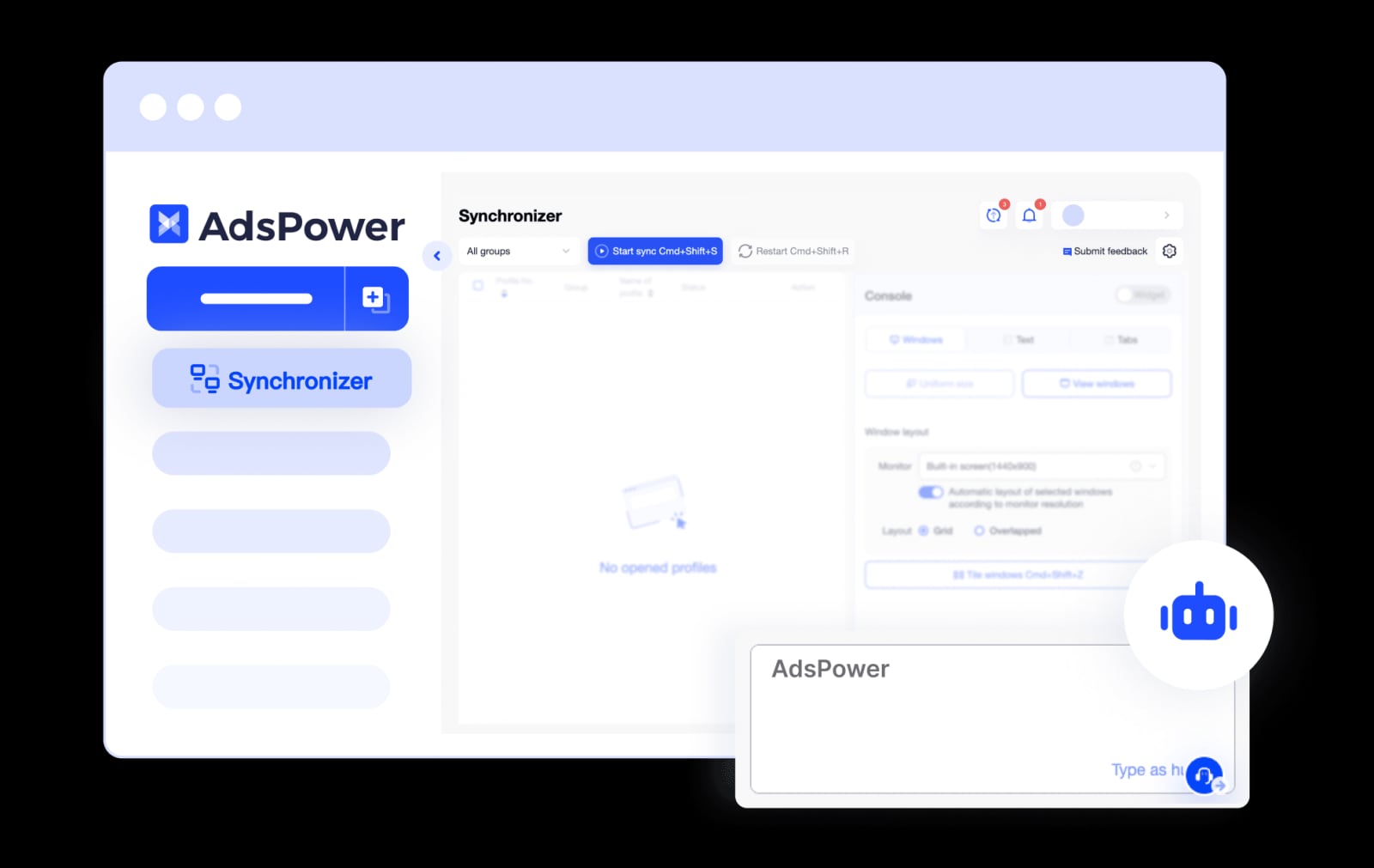
AdsPower product interface.
Public temporary number services are convenient, but they come with significant limitations:
| Feature | Public Free Services | Private Virtual Numbers |
|---|---|---|
| Cost | Free | Paid subscription |
| Privacy | Low—all messages are publicly visible | High—only you can access the inbox |
| Reliability | Numbers are often blacklisted by major platforms | Higher delivery success rate |
| Longevity | Numbers expire quickly or are recycled | You control the lifespan |
| Use Case | Low-stakes, one-off verifications | Ongoing account management |
For serious multi-account management—like running several TikTok Business ad accounts or scaling e-commerce stores—public numbers are a non-starter. Platforms actively block known disposable number ranges. This is where a dedicated anti-detect browser like AdsPower becomes essential. It creates isolated browser environments with unique fingerprints, and when paired with private virtual numbers, each account appears to operate from a completely distinct device and location. This combination dramatically reduces the risk of platform bans. For a deep dive into managing multiple ad profiles safely, see our guide on how to use AdsPower with TikTok for Business.
Before you rely on a free SMS service, understand the risks:
Public temporary numbers solve a narrow problem. If your work depends on stable, long-term account access, you need a more robust setup. This is the standard stack for affiliate marketers, social media managers, and cross-border e-commerce sellers:
This combination lets you manage thousands of accounts without triggering fraud-detection systems. AdsPower’s free plan includes two browser profiles, making it a practical starting point for testing this workflow. For a comparison of leading tools, read our breakdown of AdsPower vs. Kameleo.
Yes, many public services offer free numbers. However, these numbers are shared and lack privacy. Private, dedicated numbers always cost money but provide security and reliability.
Sometimes. Public numbers are often already registered or blocked by these apps. For a reliable setup, you need a private virtual number and an anti-detect browser environment to avoid triggering spam detection.
Yes, using a temporary number for privacy is legal. Using one to commit fraud, impersonate someone, or violate a platform’s terms of service is not. Always review the terms of the platform you’re signing up for.
Public numbers can expire in minutes or hours. Some services recycle them daily. Private numbers last as long as you keep paying for them.
Most services offer numbers from a range of countries, including the US, UK, and Canada. Choose a number that matches the region required by the platform you’re verifying.
Temporary phone numbers are a practical first line of defense against spam and privacy invasion. For quick, low-stakes verifications, a free public number gets the job done. But the moment you need to protect valuable accounts or scale your online operations, the public approach falls apart. The smartest strategy layers a private virtual number with an anti-detect browser, creating a sealed, isolated identity for every account. That’s how you move from simply hiding your number to building a truly ban-resistant online presence.


