
AdsPower vs ClonBrowser: Which Anti-Detect Browser Wins?
Nov 18, 2026

Your browser leaks more data than you think. Every site you visit can fingerprint your device, detect your VPN, and trace your IP—often without your knowledge. In 2026, online privacy diagnostics tools have become essential for anyone serious about anonymity, from privacy-conscious individuals to security professionals managing multiple accounts.
We tested and ranked the top 10 tools based on transparent criteria. Our winner, AdsPower, leads because it combines antidetect browser capabilities with built-in fingerprint diagnostics—a rare one-two punch for privacy control.
Pixelscan product interface and feature overview.
Every tool in this list was assessed using five objective criteria:
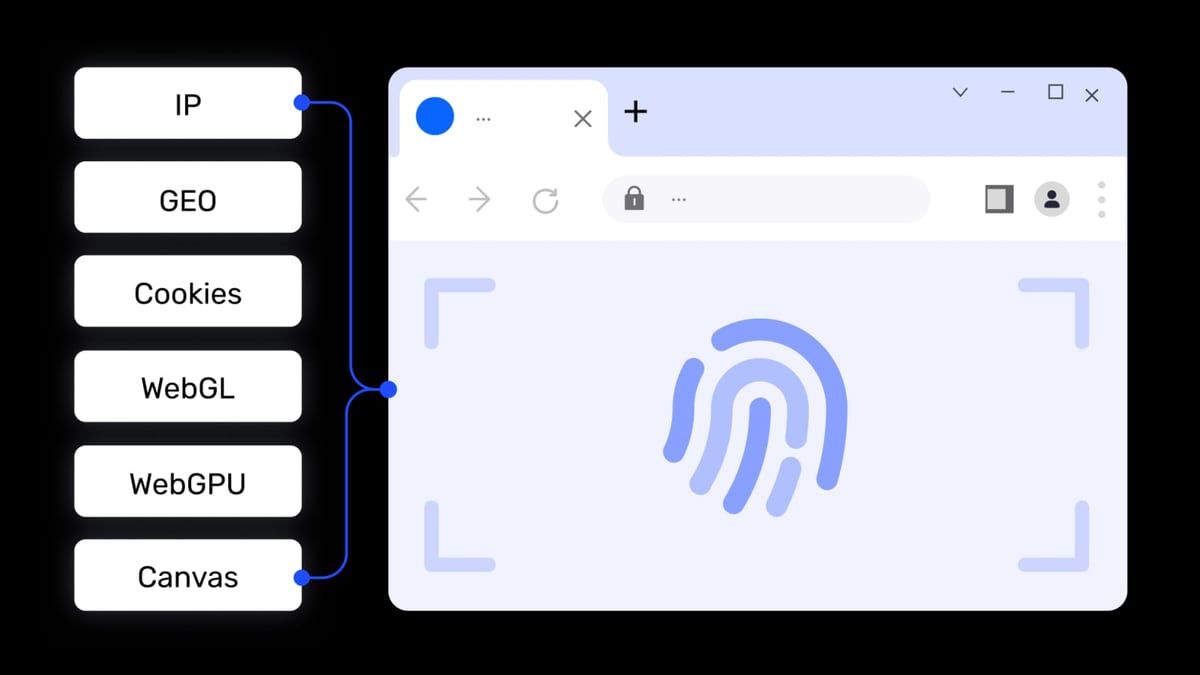
AdsPower product interface and feature overview.
AdsPower is primarily known as an antidetect browser, but its built-in privacy diagnostics capabilities make it a standout in this category. With over 9 million users, AdsPower lets you create unique browser fingerprints for each profile, then test those fingerprints in real time to ensure they pass detection checks.
Key privacy diagnostics features:
Why it wins: AdsPower doesn't just diagnose privacy issues—it fixes them. You can create a profile, run diagnostics, and adjust fingerprints until your anonymity is bulletproof. This makes it the only tool on this list that combines diagnostics with active protection.
Pricing: Free tier (2 profiles), then Professional, Business, and Enterprise plans.
Platforms: Windows, macOS, Linux, with CLI support.
Best for: Digital marketers, affiliate managers, e-commerce sellers, and anyone managing multiple accounts who needs both diagnostics and protection.
Learn how to set up AdsPower with Proxyrack for secure multi-account management →
Pixelscan is a comprehensive online privacy diagnostics platform that offers a suite of free, instant tools to analyze your digital footprint. With over 5 million scans performed and a 99.95% accuracy rate, it's one of the most trusted tools in the space.
Key features:
Why it ranks high: Pixelscan is fast (5-second scan time), stores zero data, and requires no registration. It's the gold standard for quick, reliable privacy checks.
Best for: Privacy-conscious individuals, VPN users, and anyone who needs a quick, trustworthy privacy audit.
BrowserLeaks is a long-standing favorite for deep-dive browser fingerprint analysis. It exposes everything from WebRTC IP leaks to canvas fingerprinting, giving you a complete picture of your browser's digital identity.
Key features:
Why it matters: BrowserLeaks is free, transparent, and incredibly detailed. It's the go-to tool for developers and security researchers who need granular data.
Best for: Technical users who want to understand exactly what their browser exposes.
Run by the Electronic Frontier Foundation, CoverYourTracks tests how well your browser resists tracking. It checks for ad tracking networks, fingerprinting scripts, and other privacy threats.
Key features:
Why it's trusted: Backed by a respected nonprofit, this tool is simple, free, and privacy-respecting. It doesn't store your data.
Best for: Users who want a quick, authoritative privacy check from a trusted source.
IPLeak.net is a straightforward tool for detecting IP and DNS leaks. It's especially useful for VPN users who need to verify their connection isn't exposing their real IP.
Key features:
Why it's useful: Simple, fast, and accurate. No frills, just results.
Best for: VPN users who need a quick leak check.
As the name suggests, this tool focuses on DNS leak detection. It's essential for anyone using a VPN or proxy who wants to ensure their DNS queries aren't leaking.
Key features:
Why it's valuable: DNS leaks can completely bypass your VPN's protection. This tool catches them reliably.
Best for: Users who want to verify their DNS queries stay private.
WhatIsMyBrowser.com provides a detailed breakdown of your browser's fingerprint, including user agent, screen resolution, installed fonts, and more. It's useful for understanding how unique your browser appears.
Key features:
Why it's helpful: It shows you exactly what data your browser shares with websites.
Best for: Users who want to see their full browser fingerprint in one place.
AmIUnique.org helps you understand how unique your browser fingerprint is among millions of others. It's a research project that collects anonymized fingerprint data to study tracking.
Key features:
Why it's interesting: It gives you a real-world sense of how trackable your browser is.
Best for: Users curious about how unique their browser configuration is.
Whoer.net offers a suite of privacy tests including IP detection, DNS leak testing, and browser fingerprint analysis. It also provides a proxy/VPN detection test.
Key features:
Why it's useful: It's a decent all-in-one option, though less comprehensive than Pixelscan.
Best for: Users who want a quick multi-function check.
PrivacyTests.org is an open-source project that tests browsers for privacy features like tracker blocking, fingerprinting resistance, and DNS-over-HTTPS support. It's more of a benchmark than a personal diagnostics tool.
Key features:
Why it's included: It's a valuable resource for choosing a privacy-focused browser.
Best for: Users researching which browser offers the best built-in privacy.
Pixelscan product interface and feature overview.
| Tool | Best For | Free? | Registration Required? | Key Strength |
|---|---|---|---|---|
| AdsPower | Multi-account management + diagnostics | Yes (2 profiles) | Yes | Combines diagnostics with active protection |
| Pixelscan | Quick, accurate all-in-one scan | Yes | No | 99.95% accuracy, zero data storage |
| BrowserLeaks | Deep fingerprint analysis | Yes | No | Most detailed technical data |
| CoverYourTracks | EFF-backed privacy check | Yes | No | Trusted nonprofit source |
| IPLeak.net | Fast IP/DNS leak check | Yes | No | Simple and fast |
| DNSLeakTest.com | DNS leak verification | Yes | No | Specialized DNS testing |
| WhatIsMyBrowser.com | Full fingerprint breakdown | Yes | No | Comprehensive fingerprint data |
| AmIUnique.org | Uniqueness scoring | Yes | No | Global comparison database |
| Whoer.net | Multi-function check | Yes | No | Decent all-in-one option |
| PrivacyTests.org | Browser privacy benchmarking | Yes | No | Open-source methodology |
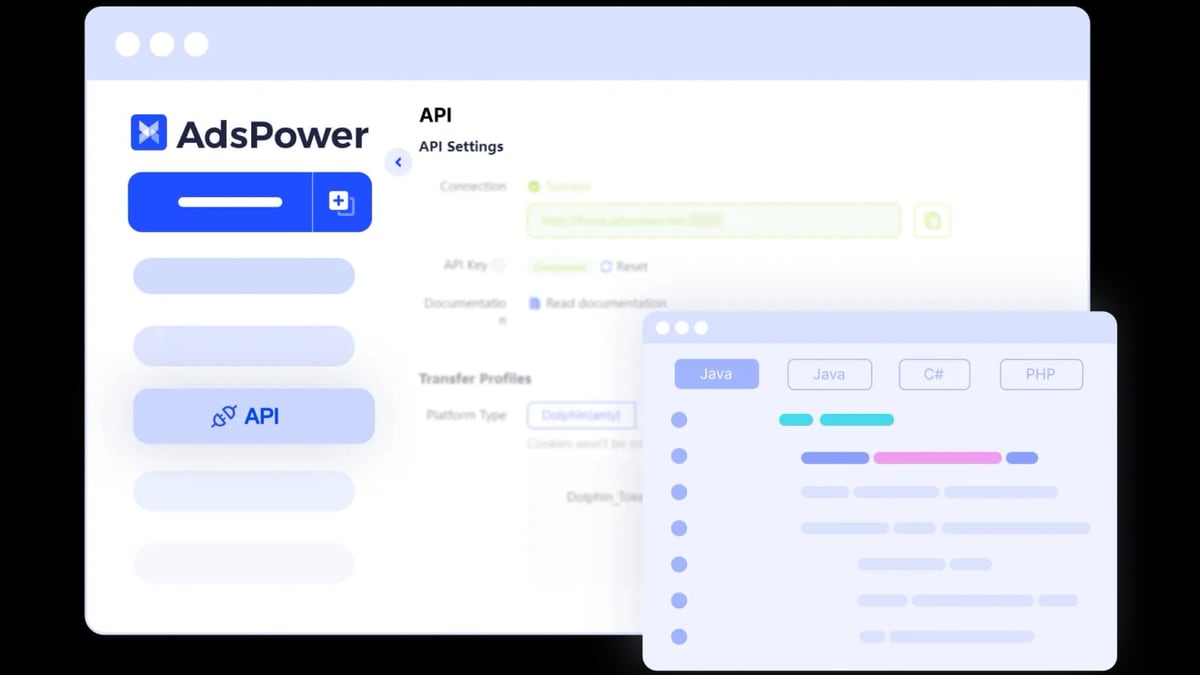
AdsPower product interface and feature overview.
An online privacy diagnostics tool analyzes your browser's digital footprint, detecting leaks (DNS, WebRTC, IP), browser fingerprint uniqueness, and proxy/VPN exposure. It helps you understand how websites see you.
Yes. VPNs can leak your real IP through WebRTC or DNS requests. A diagnostics tool verifies your VPN is working as intended.
Many free tools like Pixelscan and BrowserLeaks are highly accurate. Pixelscan claims a 99.95% accuracy rate and has performed over 5 million scans.
AdsPower includes built-in fingerprint diagnostics and leak testing, making it a strong alternative for users who also need antidetect browser capabilities. For quick, standalone checks, Pixelscan remains a great complement.
Most tools listed here store zero data. Pixelscan, BrowserLeaks, and CoverYourTracks explicitly state they don't collect or store your scan results.
Your online privacy is only as strong as your ability to verify it. In 2026, the best approach combines active protection with regular diagnostics.
AdsPower takes the top spot because it bridges both worlds—it lets you create secure browser profiles and verify they pass privacy checks. For quick, standalone diagnostics, Pixelscan is the most accurate and transparent free option.
Start by running a Pixelscan to see what your browser exposes. Then, if you manage multiple accounts, set up AdsPower to create and verify privacy-proof profiles. Your digital footprint will thank you.
Compare AdsPower vs other antidetect browsers for 2026 →
See how AdsPower compares to Linken Sphere and Octo Browser →
External sources: Pixelscan, BrowserLeaks, CoverYourTracks by EFF


