
AdsPower vs ClonBrowser: Which Anti-Detect Browser Wins?
Nov 18, 2026
Choosing a private proxy service in 2026 means sorting through dozens of providers that all promise speed, anonymity, and reliability. But not all proxies are built for the same job. Some excel at web scraping at scale, while others are optimized for sneaker copping, ticketing automation, or managing multiple social media accounts.
This guide ranks the top 10 private proxy services based on transparent, repeatable criteria. We evaluated network size, connection success rates, pricing transparency, customer support, and real-world performance for demanding use cases. If you need an anti-detect browser to pair with your proxies—like AdsPower Fingerprint Browser—we’ll note where that workflow makes sense, but our focus stays squarely on the proxy layer.
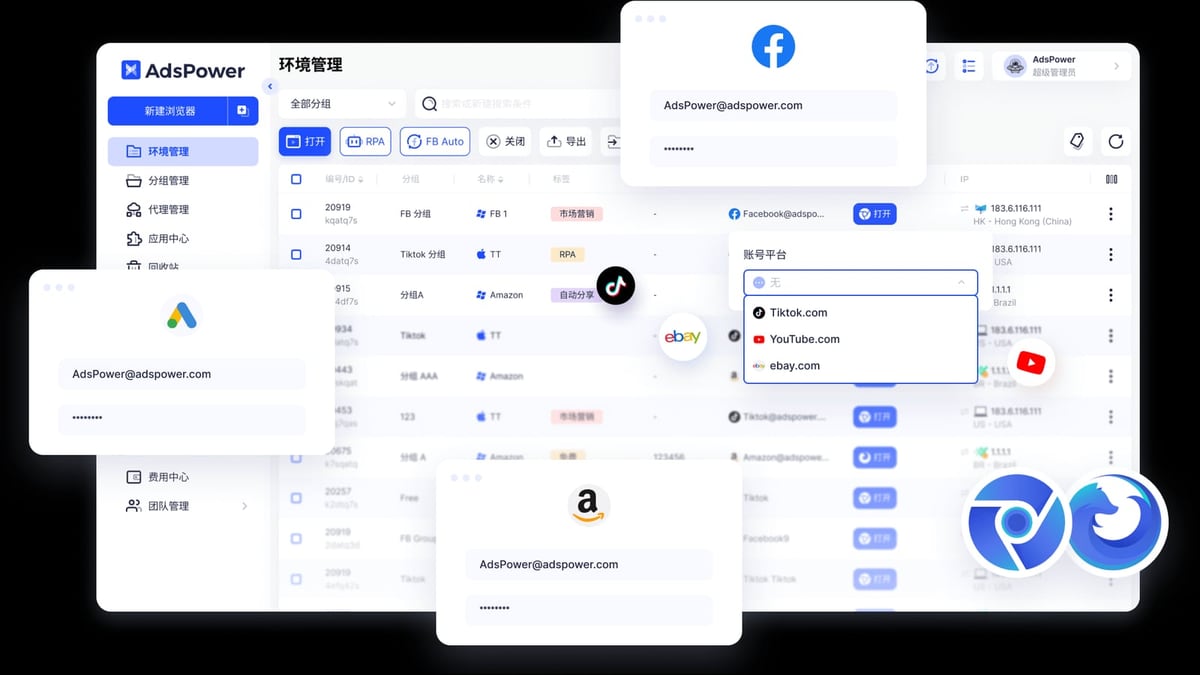
AdsPower Fingerprint Browser product interface and feature overview.
Every provider below was assessed using the same five criteria:
We excluded free proxies entirely—they are unreliable, often malicious, and unsuitable for any serious workflow.
AdsPower Fingerprint Browser product interface and feature overview.
Bright Data remains the gold standard for private proxy services in 2026. Its ethically sourced network spans over 400 million IPs across 195+ countries, covering residential, datacenter, and ISP proxies. The standout feature is the integrated scraping toolset—Web Scraper API, Scraping Browser, and Web Unlocker—which makes it the best choice for teams that need both proxies and data extraction in one platform.
Bright Data enforces strict KYC, which adds security but may slow onboarding for privacy-focused users.
Oxylabs targets mid-market and enterprise clients with a massive network and premium support. Its residential proxies achieved a 99.93% success rate in independent tests, with sub-second response times. Dedicated account managers and 24/7 support justify the higher price point.
MyPrivateProxy earns its place with a focus on dedicated, high-performance proxies for niche automation use cases. Its servers run on XEON hardware with 8GB RAM and 1,000 Mbps connections, delivering 99.99% uptime across 10 US data centers. With over 100,000 dedicated IPs and multiple subnets, it’s a top pick for sneaker copping, Ticketmaster automation, and PokemonGo botting.
MyPrivateProxy’s KYC policy adds a layer of trust, and its live chat and phone support for high-value clients set it apart from budget providers.
Decodo is the best budget all-rounder. Its 115M+ IP network covers residential, datacenter, ISP, and mobile proxies. Independent tests show a 99.92% success rate and fast response times. The 3-day trial with 100MB of free traffic lowers the barrier to entry.
SOAX shines on granular targeting—city, ASN, and carrier filtering come standard. Its residential and mobile proxy pools are competitive, though the $90 entry price and lack of pay-as-you-go plans limit accessibility.
NetNut specializes in ISP-based residential proxies that combine the speed of datacenter IPs with the legitimacy of residential addresses. Its 85M+ IP network delivers fast, stable connections, but the $210 entry plan is steep.
IPRoyal’s non-expiring traffic is a unique selling point—bought data never expires. This makes it ideal for occasional projects. SOCKS5 support and Discord-based support appeal to a modern audience.
Webshare offers a rare free plan (10 proxies, 1GB monthly traffic) for testing. Its paid residential and datacenter proxies are reliable, but the feature set is basic—no scraping tools or advanced dashboards.
Byteful’s Smartpath optimization engine routes less critical traffic through datacenter proxies, claiming up to 60% data savings. Performance is strong, and entry costs are low—plans start under $5.
Rayobyte focuses on ethically sourced proxies with a smaller but high-quality pool. Its residential proxies are suitable for compliance-first teams, though the $3/GB starting price is higher than competitors.
AdsPower Fingerprint Browser product interface and feature overview.
Your choice depends on your primary use case:
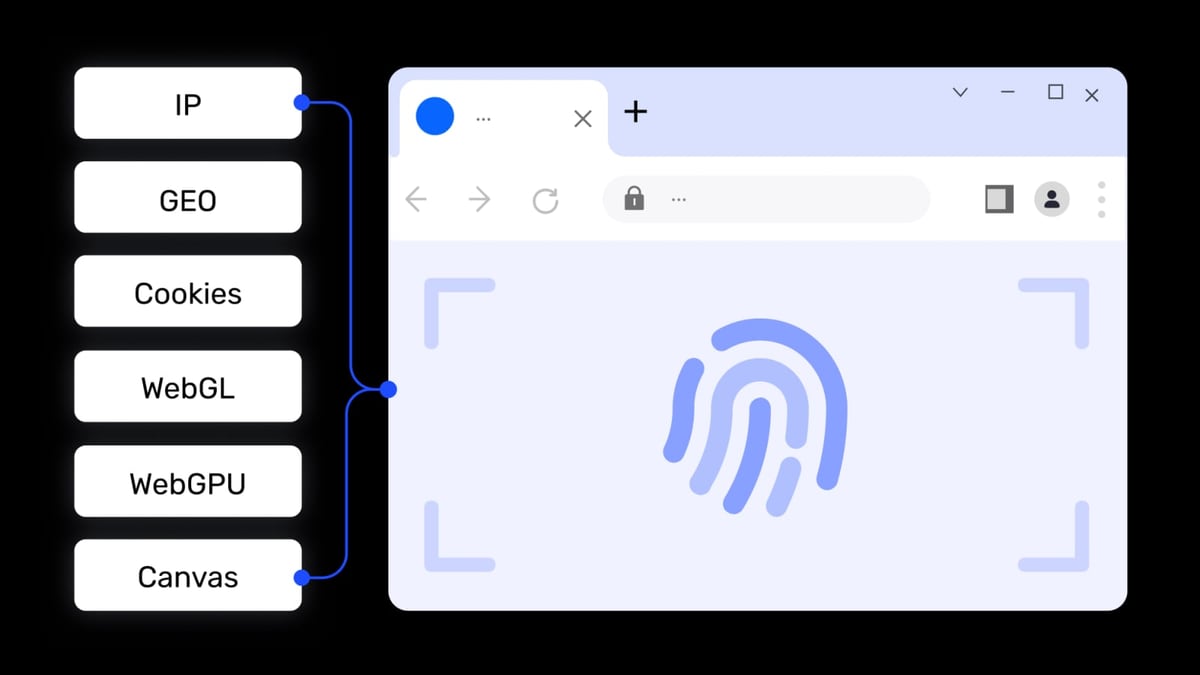
If you’re managing multiple accounts across platforms like Amazon, Facebook, or TikTok, pairing a private proxy service with an anti-detect browser like AdsPower Fingerprint Browser creates a complete isolation layer. The proxy handles IP anonymity, while the browser manages fingerprint spoofing—a combination that reduces ban risk significantly. For a deeper comparison of anti-detect tools, see our AdsPower vs Undetectable vs Multilogin: 2026 Comparison.
A private (dedicated) proxy is used by only one client at a time, ensuring consistent speed and lower block risk. Shared proxies are cheaper but can be slower and more likely to be flagged.
Yes. Most private proxy services support HTTP, HTTPS, and SOCKS5 protocols, which integrate directly with anti-detect browsers like AdsPower, Multilogin, or Incogniton. For setup guidance, check our AdsPower Fingerprint Browser + Puppeteer: Automation Setup and Practice.
Yes, using proxies is legal in most jurisdictions. However, using them to bypass website terms of service or engage in illegal activities is not. Always comply with local laws and platform policies.
In 2026, residential private proxies range from $1.40/GB to $6/GB, while dedicated datacenter IPs cost $0.50–$2 per IP per month. Free proxies are not recommended for any serious use.
The private proxy market in 2026 offers strong options for every budget and use case. Bright Data leads for enterprise scraping, MyPrivateProxy dominates dedicated high-speed proxies for automation, and Decodo provides the best value for general use. Evaluate your specific needs—network size, speed, pricing model, and support quality—before committing.
For teams that combine proxies with anti-detect browsers, the isolation layer becomes even more powerful. Read our BigCommerce Review 2026 for insights on e-commerce platforms that benefit from proxy-enhanced account management.


