
AdsPower vs ClonBrowser: Which Anti-Detect Browser Wins?
Nov 18, 2026

Anti-detect browsers solve the fingerprint half of multi-account management. They do not solve the phone number half. When a platform asks for SMS confirmation during signup or login, every profile in your workspace suddenly needs a distinct, working number — and reusing your personal SIM across dozens of accounts is the fastest way to get them linked and banned.
This guide explains how AdsPower and SMSPool fit together, the exact setup sequence, how to automate verification through the API, and the mistakes that quietly break verification workflows.
SMSPool product interface.
AdsPower is an anti-detect browser. It builds isolated browser environments, each with its own fingerprint signals — Canvas, WebGL, User Agent, timezone, and more — and pairs them with a proxy so that accounts never share a technical identity. It is built for cross-border e-commerce sellers, social media marketers, affiliate teams, and agencies running many accounts from one device.
SMSPool is an SMS verification service. It supplies temporary, non-VoIP phone numbers that receive one-time codes for thousands of platforms, plus long-term rentals and data-only eSIMs. Numbers start at roughly $0.02 per SMS, and the service advertises a no-log policy with VPN and Tor friendliness.
Neither tool replaces the other:
A profile that has a clean fingerprint but a recycled personal number is still linkable. A fresh number attached to a browser with a leaked fingerprint is equally linkable. You need both layers aligned per profile.
At a high level, each AdsPower profile gets its own number from SMSPool, and the verification code is entered inside that profile's isolated session.
The critical rule: one number, one profile, one platform. Sharing a number across profiles recreates exactly the association you bought an anti-detect browser to avoid.
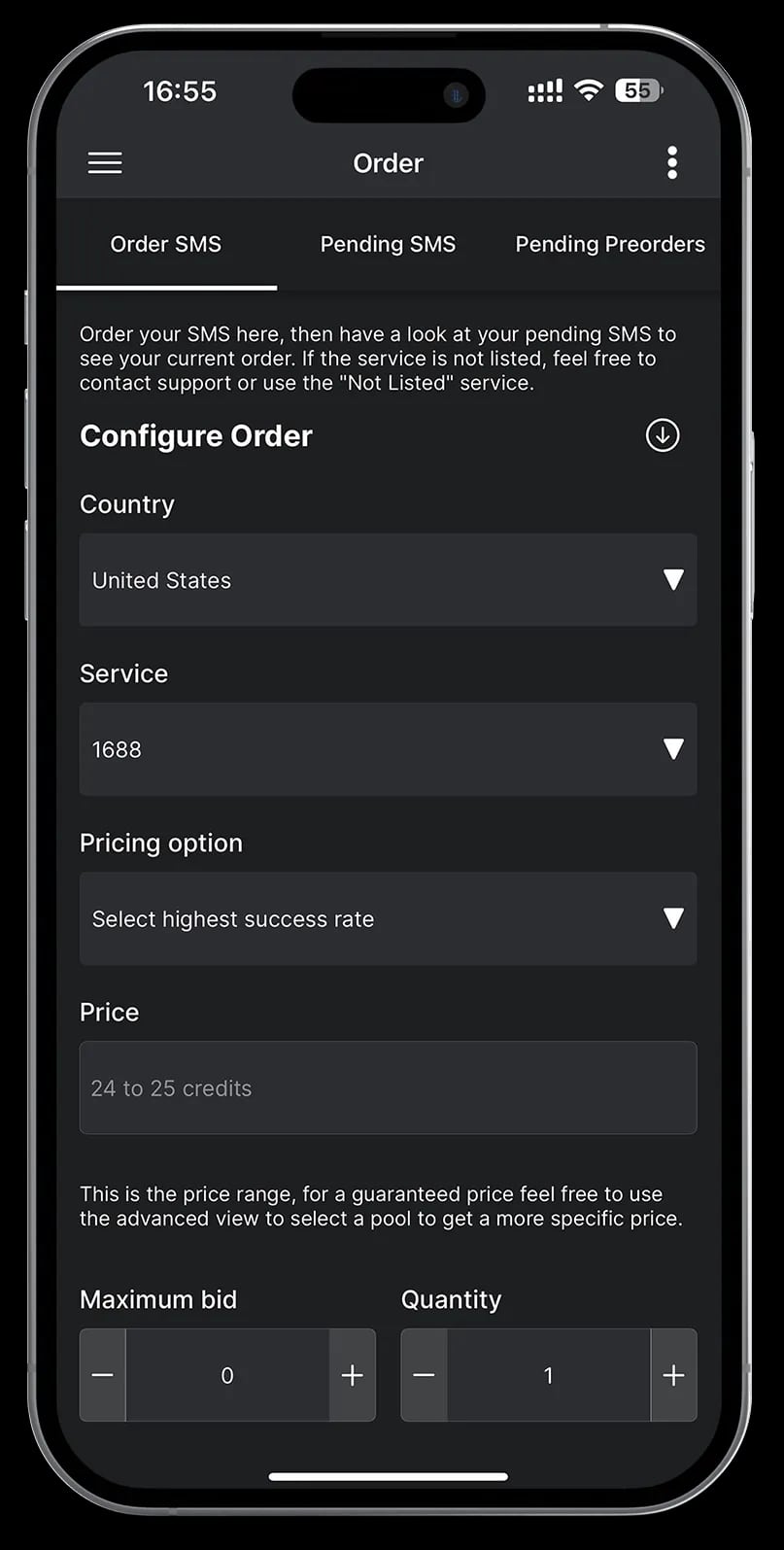
iOS SMSPool app.
Create a new profile and configure it before you touch any signup form:
If you are still deciding on a browser, the AdsPower vs Indigo vs Incogniton comparison breaks down fingerprint engines, automation, and pricing.
SMSPool offers more than one product, and picking wrong wastes money:
| Number type | Best for | Notes |
|---|---|---|
| One-time SMS number | Single signup or login verification | Cheapest option; number is released after use |
| Long-term rental | Accounts that may re-verify later | Keeps the same number available for repeat codes |
| Data-only eSIM | Mobile app workflows needing data | Not for receiving OTPs on its own |
For platforms that re-verify on new devices or after inactivity, a rental is usually worth the premium. For one-off signups, a single-use number is enough.
This is where most people lose accounts. If your AdsPower profile shows a US timezone and a US residential IP, but the verification number is from a different country, the mismatch is a signal.
Keep these three aligned per profile:
Open the target platform inside the AdsPower profile, start the signup or login flow, and request the SMS code. Then retrieve the code from SMSPool and enter it in the same profile session. Do not switch profiles mid-verification, and do not paste the code into a different browser window.
Keep a simple record — profile ID, platform, number, date. When a platform later asks for re-verification, you need to know which number belongs to which account. Teams running hundreds of profiles should store this in a shared sheet or their AdsPower team notes.
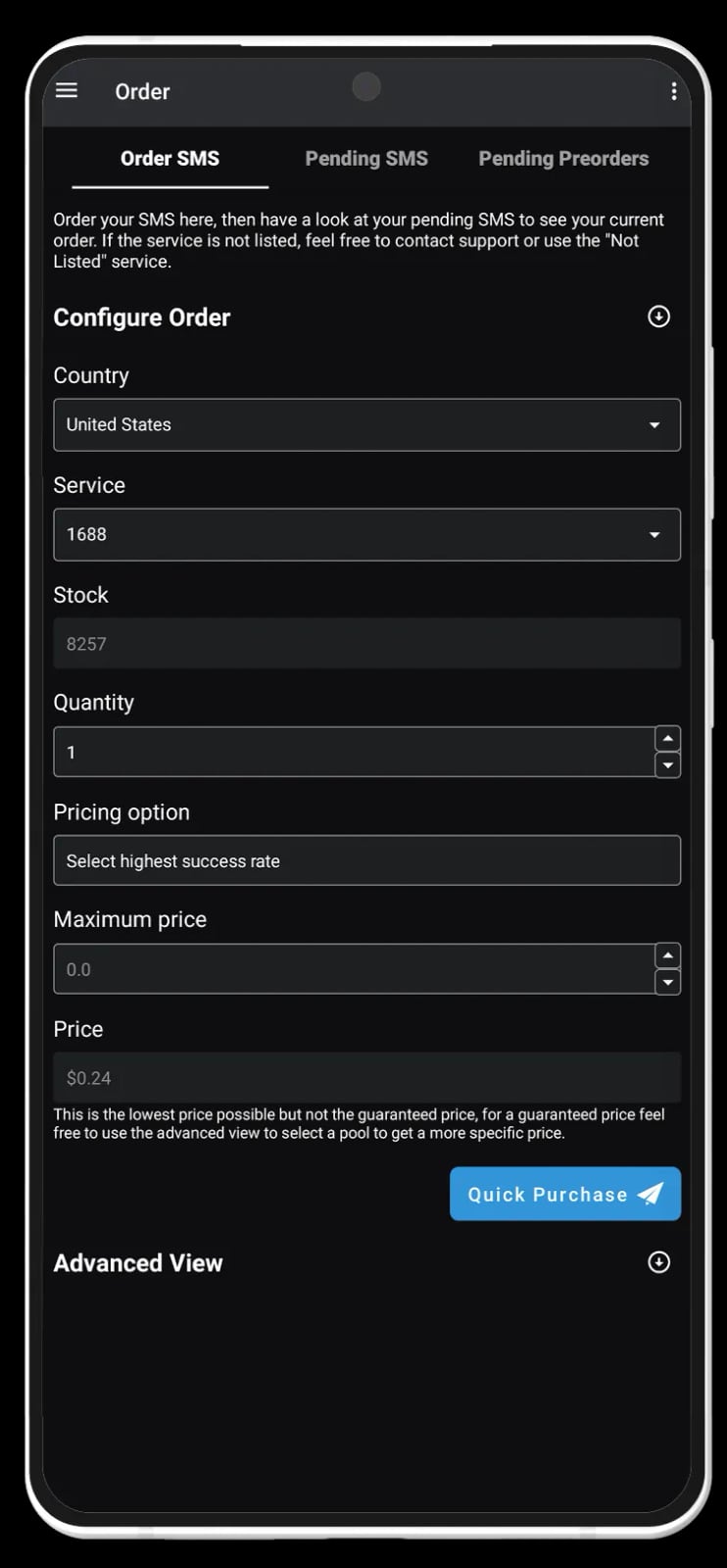
Android SMSPool app.
Manual copy-paste does not scale past a few dozen accounts. SMSPool provides an API for programmatic number purchase and code retrieval, and AdsPower offers automation through RPA and its Local API. Combining them lets you build a verification loop:
This pattern is the same one used in other verification-heavy workflows, such as the AdsPower and 5SIM setup guide. The difference is which SMS provider you standardize on — SMSPool's fixed pricing and non-VoIP pool are the main reasons teams pick it.
If your automation also involves pulling data from the platforms you manage, the principles in automated data collection apply: rate-limit your requests, rotate identities, and avoid patterns that look scripted.
A marketer needs 20 Instagram accounts across three regions. Each profile gets a residential proxy in its target country, a matching timezone, and a single-use SMSPool number from the same country. Verification is done manually in batches of five, with the number-to-profile mapping logged immediately. Reusing any number across two profiles would risk linking them.
A seller manages Amazon storefronts in multiple marketplaces. Because Amazon may re-verify when a new device or location appears, the seller uses long-term SMSPool rentals tied to each store's profile rather than one-time numbers. The rental cost is trivial compared to losing a storefront to a verification failure.
Affiliate networks often verify by phone at registration. The workflow mirrors the AdsPower and MaxBounty setup guide: isolate the profile, align the proxy, verify with a dedicated number, then keep that profile's activity consistent over time.
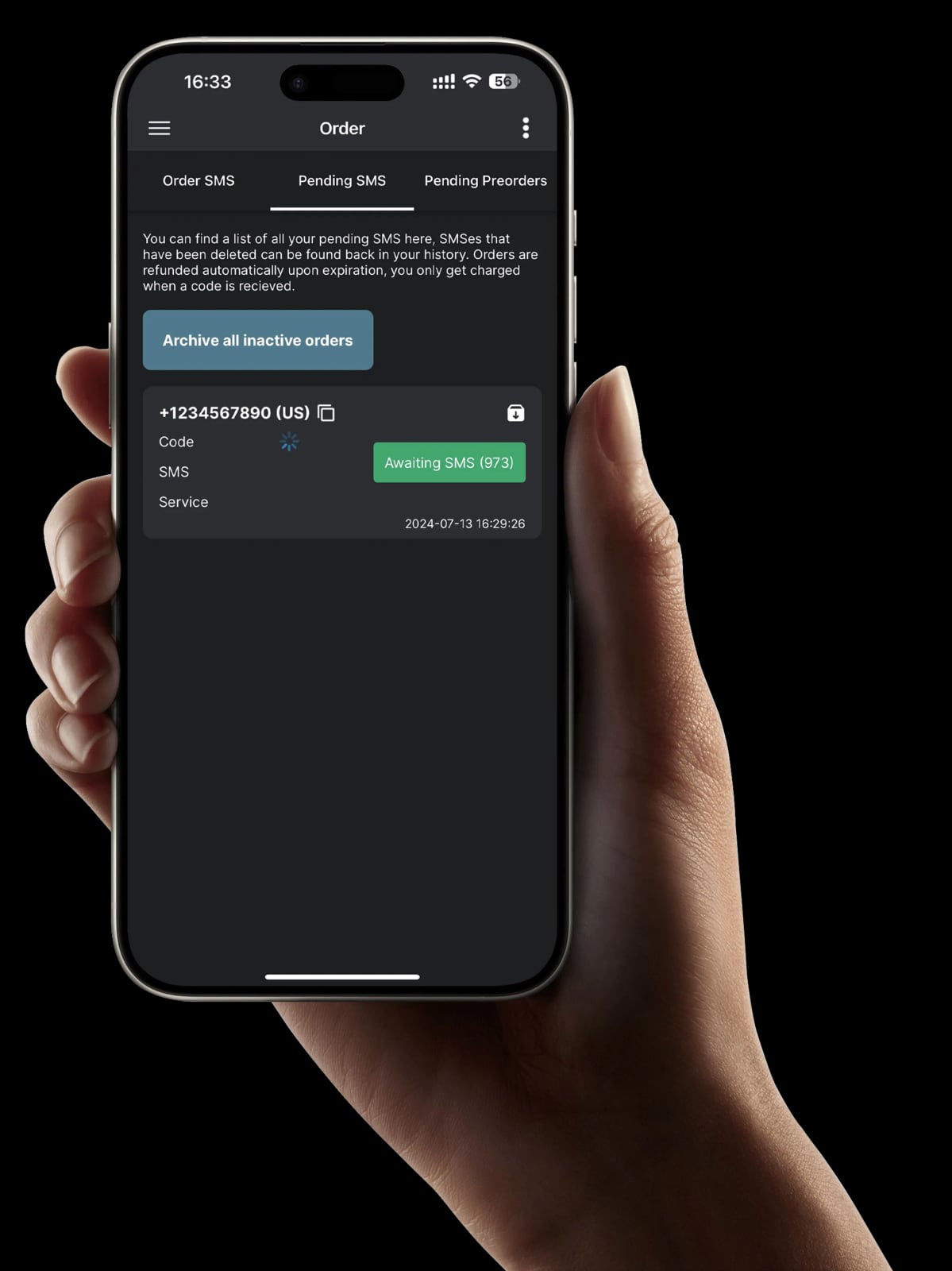
Cheap SMS Verifications, non-VoIP phone numbers - SMSPool.
The code never arrives. Some platforms reject numbers that have already been used or flagged. Request a fresh number rather than retrying the same one.
Verification succeeds but the account is banned later. Usually a fingerprint or proxy mismatch, not the number. Re-check WebRTC leaks, timezone alignment, and whether the proxy is shared with other profiles.
The platform blocks VoIP-style numbers. This is the core reason to use a non-VoIP provider. SMSPool specifically markets non-VoIP numbers that are accepted where VoIP is rejected.
You lose track of which number belongs to which account. Without a log, re-verification becomes guesswork. Track it from the first signup.
You verify too many accounts from one IP. Even with perfect fingerprints, a single IP creating ten accounts in an hour looks automated. Space out registrations and diversify proxies.
You ignore platform policies. Verification services and anti-detect browsers are tools; how you use them is your responsibility. Some platforms prohibit multi-accounting outright, and reused numbers may fail regardless of provider quality.
No. AdsPower handles browser fingerprint isolation and proxy management. Phone verification is a separate layer, which is why pairing it with an SMS service like SMSPool is common.
Technically yes, but you should not. A shared number creates a direct link between accounts, defeating the purpose of separate fingerprints.
SMSPool advertises pricing from about $0.02 per SMS with no price fluctuations, plus free testing tools. Compare against your current provider on the specific platforms and countries you actually use.
Manual works for a handful of accounts. Once you are verifying dozens per week, the SMSPool API plus AdsPower's Local API removes the copy-paste bottleneck and reduces human error.
Number reputation matters. A number that has already been used on that platform, or one from a heavily abused range, may be refused. Request a different number and try again.
AdsPower and SMSPool solve two different halves of the same problem. AdsPower makes each account look like it belongs to a separate person with a separate device; SMSPool makes each account reachable through a separate phone number. Used together with consistent country matching, dedicated numbers per profile, and a written assignment log, they turn a fragile manual process into a repeatable verification workflow.
Start with a small batch, confirm your fingerprint and proxy alignment is clean, and only then scale up or automate through the API.


