
AdsPower vs ClonBrowser: Which Anti-Detect Browser Wins?
Nov 18, 2026
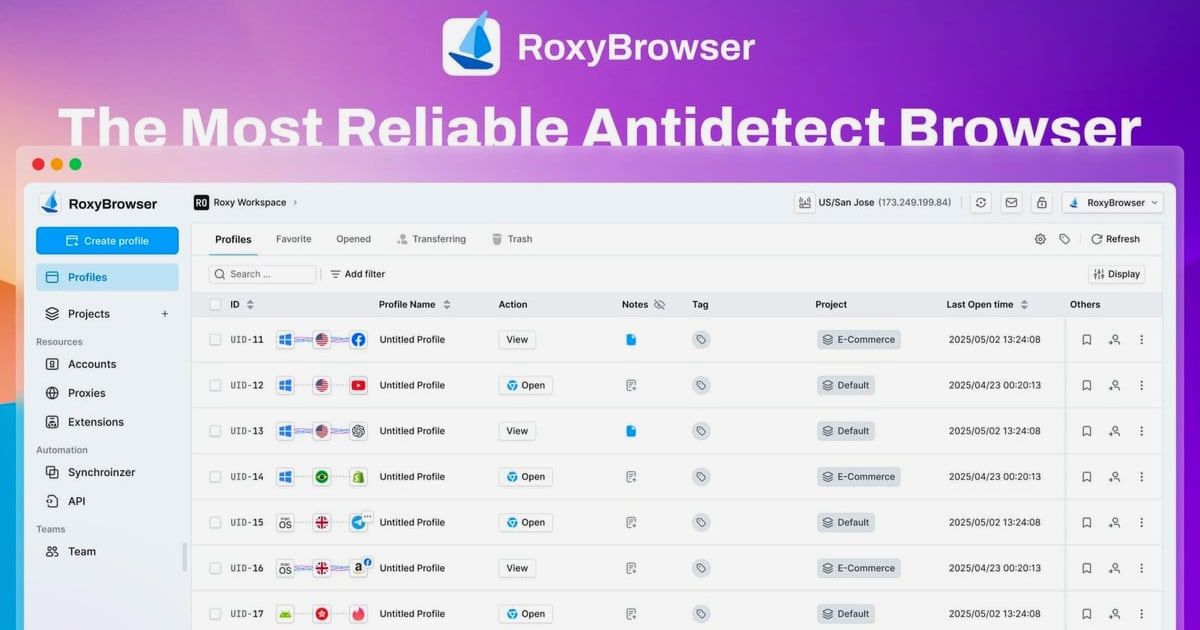
RoxyBrowser has been gaining traction among affiliate marketers, social media managers, and e-commerce operators who need to run dozens of online accounts without getting flagged. But does it deliver the security and convenience that modern multi-account workflows demand? At AdsPower, we’ve dug into user feedback, tested the core features, and compared it with established alternatives to bring you an honest, evidence-based RoxyBrowser review. By the end, you’ll know exactly whether this antidetect browser fits your stack—or if you should look elsewhere.
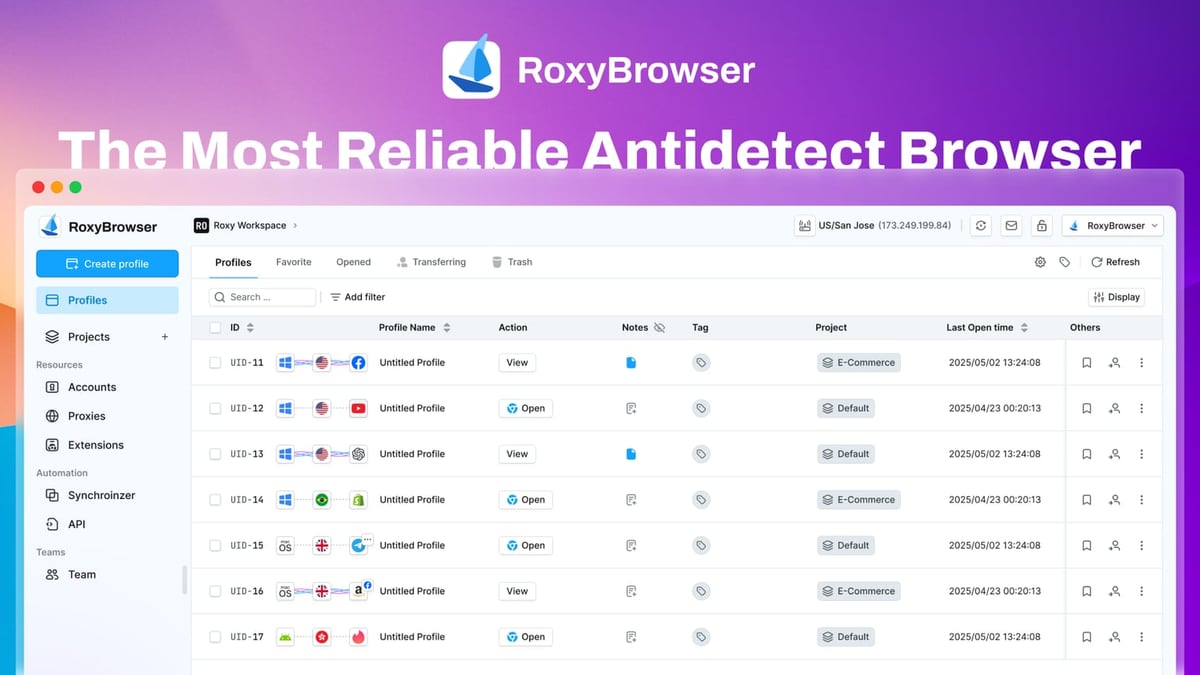
RoxyBrowser Review 2026: Features, Pricing & Honest Verdict product interface and feature overview.
RoxyBrowser is a Chromium-based antidetect browser built to create isolated digital identities for each of your online accounts. It generates unique browser fingerprints—covering Canvas, WebGL, WebRTC, font lists, and more—so that platforms like Facebook, Google, or Amazon see every profile as a distinct real user. While the interface feels familiar (much like Google Chrome), the real power lies under the hood: each profile stores its cookies, local storage, and custom settings separately, preventing cross-account leaks.
One notable architectural choice is that RoxyBrowser stores all profiles locally by default. There is no cloud sync or automatic backup; you’ll have to manually export and transfer profiles if you switch machines. This keeps you in total control but can slow down team collaboration. The browser itself does not come bundled with proxies, though it supports HTTP, HTTPS, SOCKS4, and SOCKS5. You can bring your own proxies—including RoxyIP if you choose their infrastructure—but configuration is entirely manual.
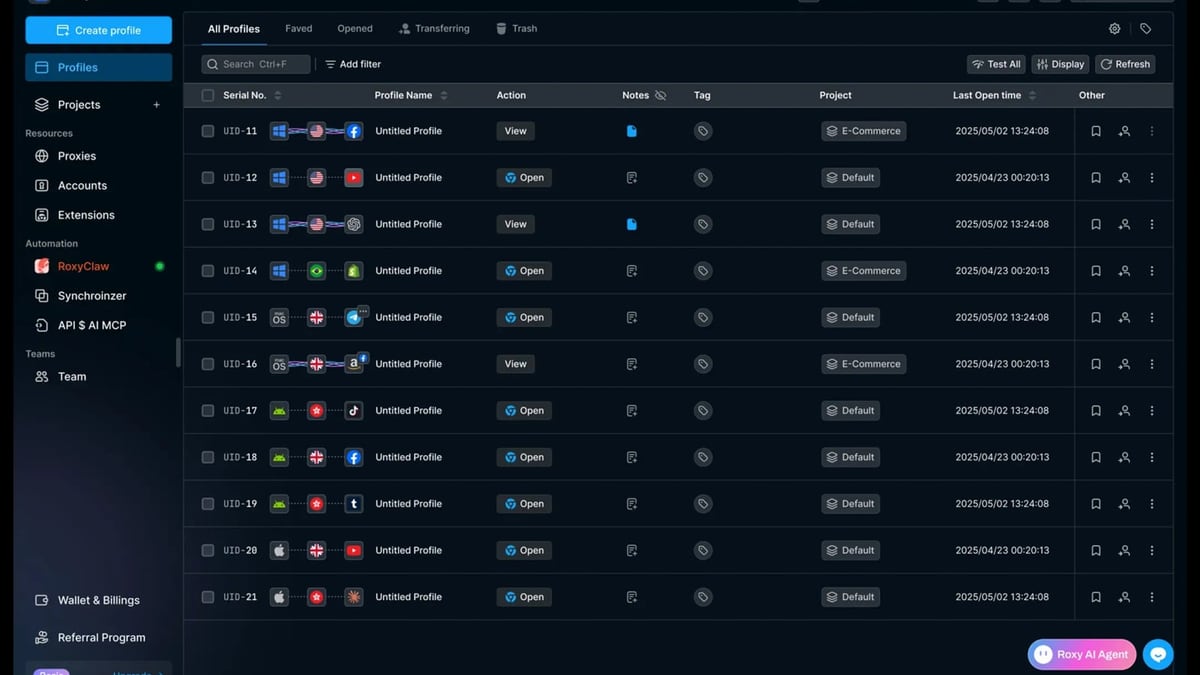
 RoxyBrowser’s clean profile management dashboard with colour‑coded isolation and bulk editing.

RoxyBrowser Review 2026: Features, Pricing & Honest Verdict product interface and feature overview.
RoxyBrowser is a practical choice for solo operators and small teams who value simplicity and local data control over sophisticated team orchestration. Here are its strongest use cases:
If your workflow demands cloud‑synced profiles, built‑in no‑log residential proxies, or advanced team roles, you may outgrow RoxyBrowser quickly. We’ll cover alternatives later.
RoxyBrowser Review 2026: Features, Pricing & Honest Verdict product interface and feature overview.
Getting started is unusually fast compared to many antidetect browsers:
Pro tip: name profiles descriptively (e.g., “FB‑ClientA‑US‑Resi”) and group them with the built‑in project folders and tagging system. This small habit will save hours when managing 50+ accounts.
RoxyBrowser’s feature set focuses on fundamental multi‑account hygiene and basic automation rather than flashy extras:
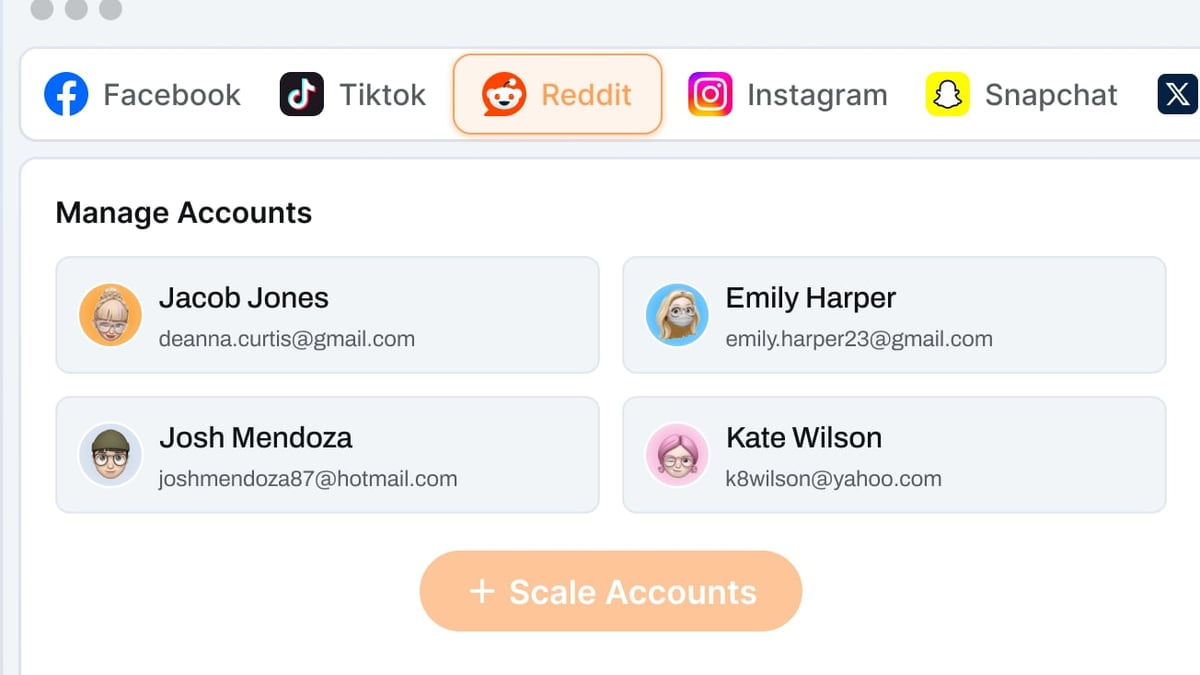
RoxyBrowser Review 2026: Features, Pricing & Honest Verdict product interface and feature overview.
RoxyBrowser offers a tiered subscription model that starts at zero cost for evaluation. While exact prices may change, the typical structure looks like this:
| Plan | Profiles | Key Features | Price |
|---|---|---|---|
| Free | 5 | Basic fingerprint management, community support | $0 |
| Starter | 50 | Automation API, workspaces, priority support | ~$10/month |
| Professional | 150 | Bulk operations, team management, advanced fingerprints | ~$30/month |
| Enterprise | Custom | Dedicated support, custom integrations, SLA | Contact sales |
Note: All paid plans come with a 7‑day free trial of premium features. Proxies are not included; you’ll need a separate provider, which adds to the total cost.
For the most accurate pricing, check RoxyBrowser’s official site, as these figures are indicative based on early‑2026 data.
We analysed recent reviews on Trustpilot and G2 to gauge real‑world sentiment. The consensus picture:
Taken together, RoxyBrowser earns a solid 4.0‑4.5 rating on both platforms—strong for a newcomer, but behind established players.
If RoxyBrowser’s local‑first approach and missing cloud sync give you pause, you’re not alone. Here’s a quick decision map:
RoxyBrowser holds its ground when you need a lightweight, inexpensive tool for basic multi‑account separation on a single machine—especially if you already have a trusted proxy pool. But if you expect your operation to grow into a multi‑member, multi‑location team, you’ll likely graduate to a cloud‑enabled solution sooner rather than later.
It offers a free plan with 5 profiles and basic features. Full functionality requires a paid subscription, but you can test premium features with a 7‑day trial.
Yes. RoxyBrowser supports macOS, Windows, and has a Linux beta. The installation and interface are nearly identical across platforms.
Absolutely. The isolated fingerprinting makes it suitable for managing multiple Facebook profiles, ad accounts, or Business Manager roles without linking them, as long as each profile has a unique, clean proxy.
No. You need to purchase and configure proxies separately. RoxyBrowser is compatible with most HTTP, HTTPS, SOCKS4, and SOCKS5 providers, but misconfigurations can expose your real IP.
RoxyBrowser is a capable entry‑level antidetect browser that gets the fundamentals right. Its fingerprint isolation is solid, the interface is polished, and the price is easy to swallow for freelancers and small teams. If your daily routine involves running a few dozen accounts from one Windows or Mac machine and you don’t mind manually configuring proxies, it will serve you well.
However, the absence of cloud sync, built‑in proxy integration, and a Firefox engine limit its appeal for larger or distributed teams. Before committing, evaluate whether a more mature, cloud‑synced alternative would save you hours of manual work in the long run.
At AdsPower, our verdict is: RoxyBrowser is a good starting point, but growing businesses may outpace it quickly. Take advantage of the free trial, test your most sensitive account workflows, and then decide if it can scale with you.


