
AdsPower vs ClonBrowser: Which Anti-Detect Browser Wins?
Nov 18, 2026
Facebook login is the gateway to your profile, Messenger, groups, Pages, and ad accounts. Most of the time it takes a few seconds. When it fails, the cause is usually something specific: a forgotten password, a blocked cookie, an unrecognized device, or a security check triggered by an unusual location.
This guide walks through every common way to log in, what to do when it does not work, how to recover an account, and how to keep multiple sessions from interfering with each other.
Facebook Login: How to Sign In, Fix Problems, and Stay Secure - What the Facebook login page actually does.
The official entry point is facebook.com/login, with a secure variant at secure.facebook.com/login.php. Both accept the same credentials. The page itself is simple, but several things happen behind it:
That last step is the reason a login that worked yesterday can suddenly ask for a code or a friend verification today. It is not a bug; it is the platform deciding the session needs extra proof.
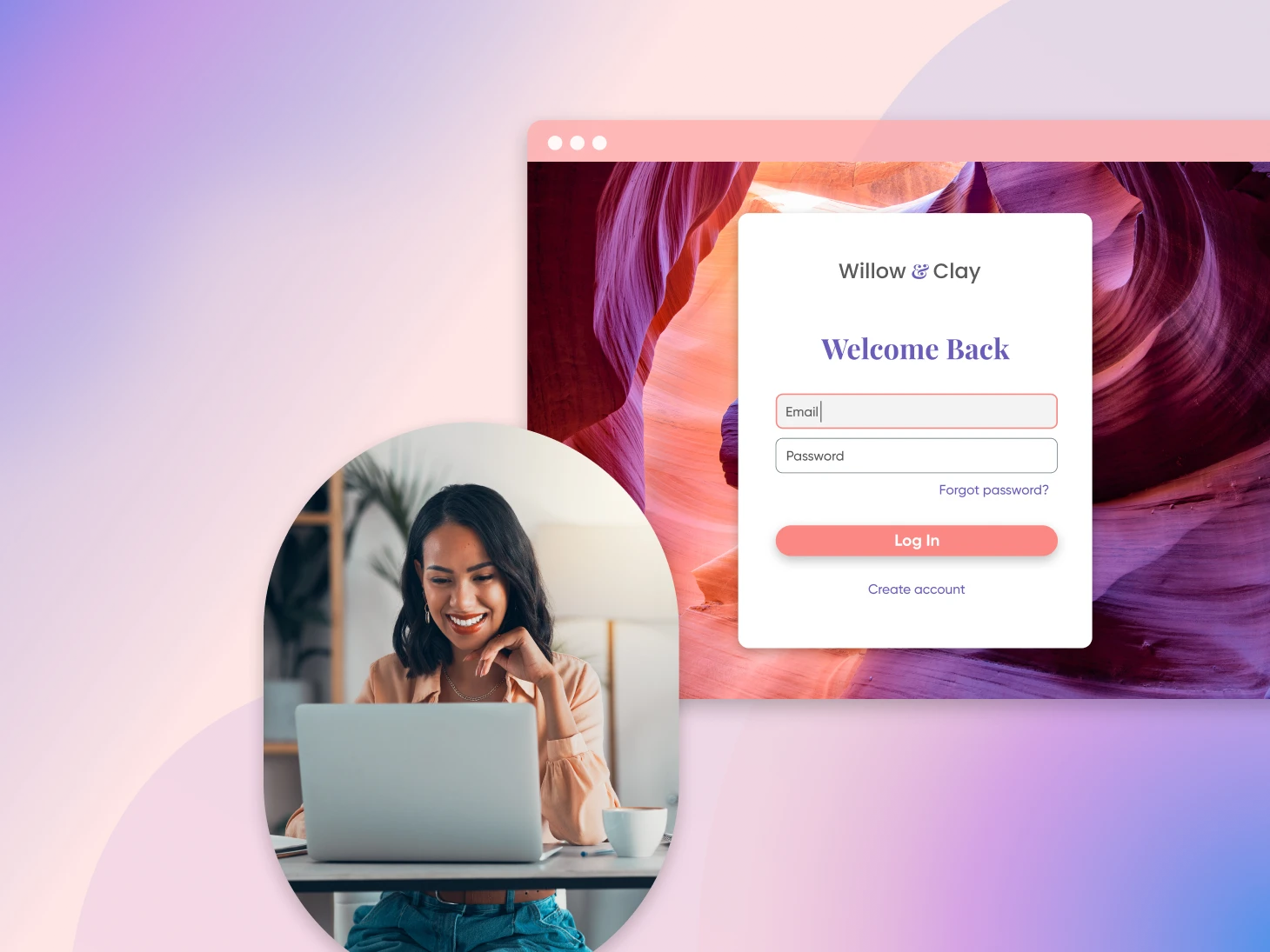
Facebook Login: How to Sign In, Fix Problems, and Stay Secure - How to log into Facebook.
Always select Log out when you finish, and decline the option to save your password. A saved session on a shared machine is one of the easiest ways to lose access to your own account.
Most failed logins fall into a handful of categories. Work through them in order.
This is almost always a browser issue:
If you are asked for a code every time, the device or network is not being trusted. Log in from a stable, familiar connection, complete the checkpoint, and choose the option to remember the device when offered. Repeatedly switching networks or clearing cookies between sessions will keep triggering the same prompt.
The Facebook login help center is the correct place to start a recovery request. You will typically be asked to confirm your identity through a code sent to your email or phone, or by identifying trusted contacts.
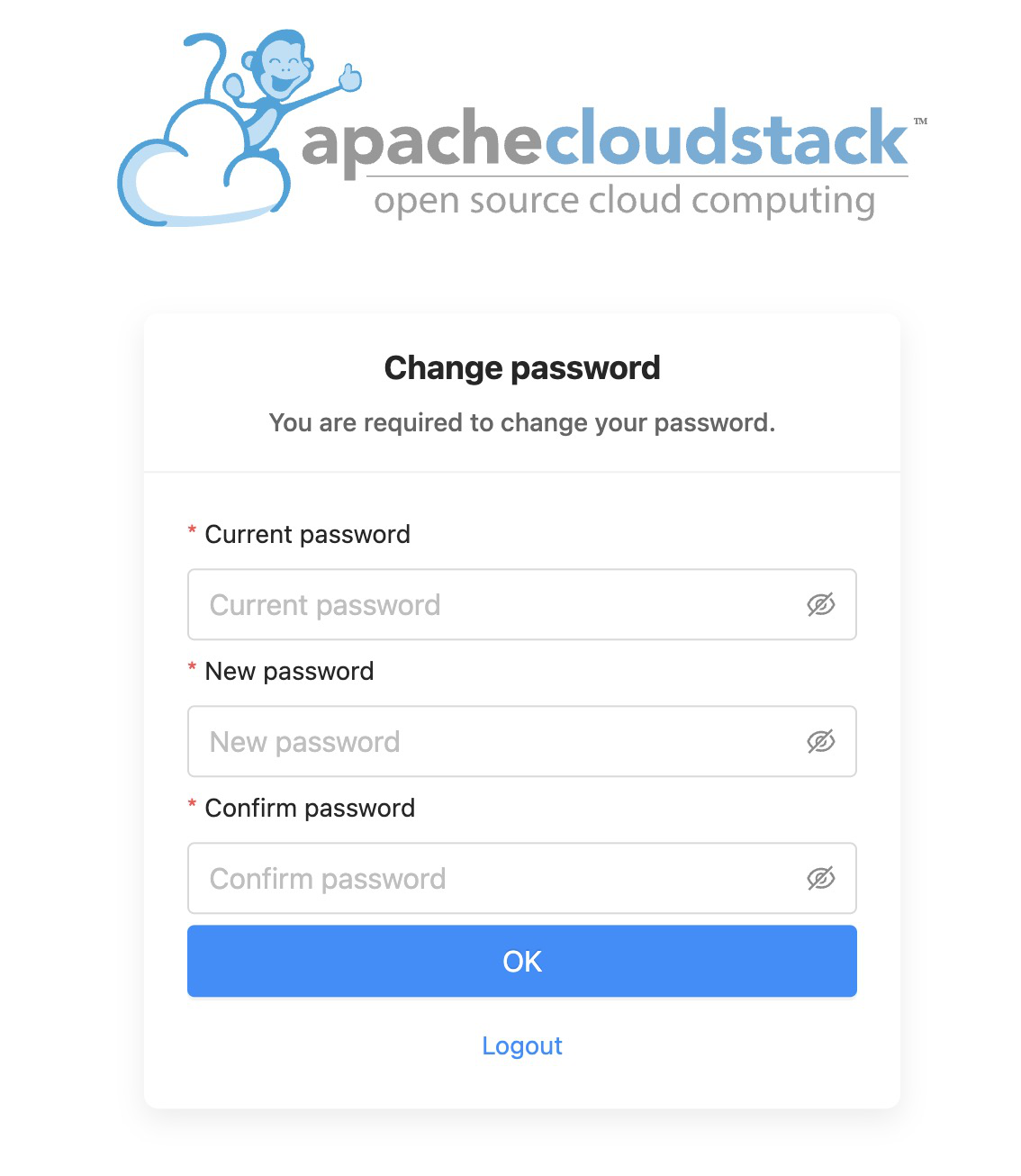
Facebook Login: How to Sign In, Fix Problems, and Stay Secure - Recovering a Facebook account.
If you cannot log in at all, the recovery flow depends on what you still control:
| What you still have | Recovery path |
|---|---|
| Access to the email or phone on the account | Use Forgot password? and follow the code sent to you |
| Access to a trusted contact's account | Ask them to retrieve the recovery code from Facebook |
| No access to email or phone | Use the identity confirmation flow, which may take several days |
| A remembered password but no code access | Try logging in from a previously used device, which may skip the checkpoint |
Recovery is slower when the contact details on the account are outdated. If you regain access, update your email and phone number immediately.
A few habits prevent most account losses:
Marketers, agencies, and e-commerce sellers often run more than one Facebook profile: separate Pages, ad accounts for different clients, or regional accounts. Logging in and out of the same browser creates two problems. First, it is slow. Second, Facebook links sessions through shared cookies, canvas fingerprints, and IP addresses, which can make unrelated accounts look connected.
This is where an anti-detect browser fits naturally. Tools such as AdsPower create isolated browser profiles, each with its own fingerprint and proxy, so each Facebook session stays separate on one device. That reduces the chance of one account's activity affecting another, and it removes the constant logout cycle.
If you manage accounts at scale, these guides cover the practical setup:
A simple rule applies whether you use one account or fifty: keep each Facebook login tied to a consistent device profile and network. Frequent, random changes are what trigger checkpoints.
Sessions expire, cookies get cleared, or the platform decides the current device or location is unfamiliar. Logging in from a stable connection and accepting the "remember this device" option usually stops the repeat prompts.
Yes, if the number is confirmed on your account. Enter it in the same field where you would type your email address.
Use the account recovery flow from the login page. Facebook will ask for identifying information and may involve trusted contacts. Expect the process to take longer than a standard password reset.
On a personal phone or computer, yes. On a shared or public machine, always log out and never save the password.
The account is fine; the browser or network is the issue. Clear Facebook cookies, disable script-blocking extensions, and check that your system time is accurate.
It can trigger a security checkpoint because the login appears to come from a new location. If you need a consistent network for multiple accounts, a dedicated proxy assigned to each browser profile is more predictable than a shared VPN.
A Facebook login is rarely complicated, but the surrounding details matter: the browser you use, the network you connect from, and whether your recovery details are current. Fix the simple causes first, keep your security settings up to date, and if you run several accounts, separate them properly instead of cycling through one browser. That combination keeps you signed in when you want to be, and keeps your accounts from being linked when you do not.


